
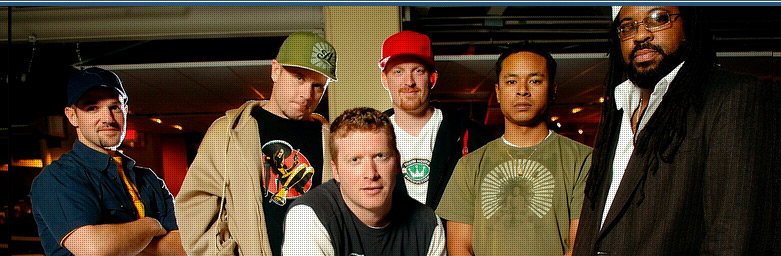
In 1993, a group of friends from Baltimore, USA, decided to form a band to play on the city's nightlife circuit. "We loved reggae and wanted to entertain people," said Kevin Gorman, the band's guitarist. The question was: what name to choose for the band? They took it from a song by a well-known Jamaican vocal trio: The Gladiators. That song was called "Jah Works". And so began the career of the new Baltimore band of seven members known as "Jah Works".
The early years were not easy for the band. According to Natty Roc (saxophonist and vocalist), "Everyone had their own life and jobs outside the band, which made it hard for everyone to devote themselves solely to music. But the difficulties faced only served to give the band more strength and improvement. With five albums produced independently, with money earned from the sweat of many live performances, the band continues its journey.
The first album, "Feast or Famine", was released in 1994 and sold more than 6,000 copies. The second, "Send the Rain", came out in 1996 selling more than 9,000 copies. These two albums focus on Roots Reggae. With the release of "Taking of Tomorrow" in 1998, Jah Works began incorporating some Hip-Hop and R&B influences into its music, selling more than 13,000 copies; before the release of the most recent work "Bassmentality" it was considered the band's best studio album.
After the release of the album "Live Volume I" in 2000, with only 5,000 copies pressed, the band turned to writing new songs for a new studio album. "We wanted to create something new," said Eric Vincent. The band experimented with new technologies such as samples and digital sounds to create its new album, always focused on harmonious melodies and lavishly worked vocals. "Bassmentality", released in October 2001, represents the new sound of Jah Works, selling 5,000 copies in just two months.
Recording and selling albums helped greatly in the band's success, but it was the more than 200 shows per year for five years, playing from Toronto to Florida, and from Chicago to Negril in Jamaica, that consolidated the band as one of the most important in North America. "Your reputation as a band is generally based on your show, and it's the shows that bring more and more fans," said Brian Gorman (keyboards).
Without a record label or imprint to sponsor them, Jah Works sold more than 40,000 albums through their own effort and dedication at their shows and won a large number of fans in the United States. So, what's next for Jah Works? "We'll be doing the same things we're doing now," said Kevin, "just on a larger scale and with greater recognition."
Currently all the band's business is handled by the members themselves, but they think about eventually leaving that in the hands of a major label and focusing mainly on the music. Meanwhile, the band will remain firm in the philosophy that its members follow on and off stage, motivated by a fan base that grows ever larger.
Ten years after the band's founding, playing for free on Baltimore nights, Jah Works continues with the same friendships that got "the ball rolling". "It's friendships that take you anywhere" — that is the message "Jah Works" passes on to everyone.