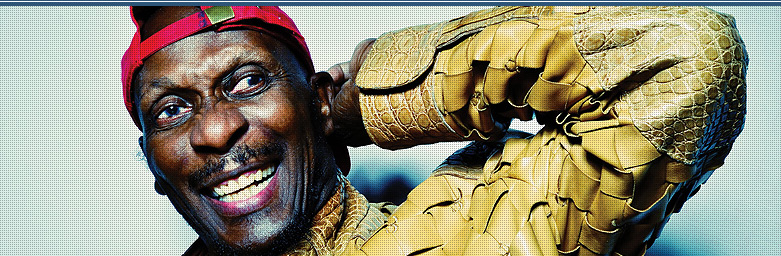
One of the pioneers in spreading reggae worldwide, Jimmy Cliff was also among the first pop stars of the so-called Third World. Born in 1948, he began recording in his native Jamaica at just 14 years of age. A year later he was already signed to the local Beverley label. With his third single "Hurricane Hattie", he reached number one on the Jamaican charts.
In 1965 Cliff moved to England and signed with Island (the same label that would later have Bob Marley on its roster). From then on, he began to gain notoriety. Bob Dylan declared that "Vietnam" was the best protest song he had ever heard. Paul Simon went further: he headed to Jamaica and, with the same team as Cliff, recorded "Mother and Child Reunion", considered the first North American reggae song in history.
Real popularity would come in the 1970s with the song "Wild World", by Cat Stevens, which reached the top ten in England. In 1972 Cliff would enter the annals of pop music. By taking part in the soundtrack and the film The Harder They Come, directed by Perry Henzel, the singer spread Jamaican music and lifestyle to thousands of people at once.
In the 1980s, he performed again in Brazil (he had already come in 1969) and found success with "Reggae Night", from the album The Power and the Glory, released in 1984. In 1990, taking advantage of the acceptance of "Rebel in Me" on Brazilian radio, he returned for more shows and ended up settling in the country for several years.