
NGO fights to change rastafari image by developing social inclusion projects in Ethiopia!
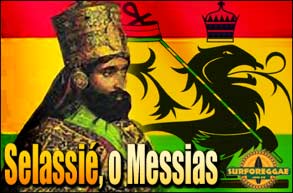
The image of Rastafarian culture, often associated with long hair and laziness, is about to change. In Shashemene, Ethiopia, the 'holy land' of this community, the NGO Ethiopian World Federation (EWF) decided to invest in social inclusion with courses on alternative agricultural techniques and professional development programs for Rastafarian teenagers.
About 100 Rastafarian families live in the region, 220km south of the capital Addis Ababa. Worship of the place has historical roots. In 1920, Marcus Garvey, founder of the Universal Negro Improvement Association (Unia), announced the coming of a messiah who would repatriate black people from around the world to Ethiopia.
Haile Selassie, or Ras Tafari (in the local dialect), crowned emperor in 1930, is believed to have had this mission. In 1951, he donated 500 hectares of land in Shashemene to Caribbean blacks who had helped the country in the war against Italy (1935). Selassie died in 1975, at 83, reclusive in his palace. His body was secretly cremated by the military who had deposed him.
EWF coordinates two schools: one primary and one secondary, and tries to guarantee possession of the 500 hectares for training and spiritual work. It also seeks funding for technological development. The project was accepted by regional authorities, but still lacks federal government approval. "The programs are a step in the right direction, because they give credibility to a religious movement still in formation" - Darren J. N. Middleton, professor of religion at Texas Christian University, tells Lab.
The precarious conditions in which Rastafarian children live and study in Ethiopia accelerated the NGO's desire to create a project capable of improving their lives. "As Rastafarians, we are pro-Ethiopia. We don't want to see our brothers and sisters in poverty. We don't want to see hungry babies" - assesses Ras Kabinda, EWF leader, in a statement to the South African newspaper Mail and Guardian.
Good intentions do not block prejudice. Many people, including Ethiopians, reduce the community to an exotic group of Bob Marley followers who only dance reggae and smoke substances banned in most countries. (Marijuana is widely consumed, according to adherents, for its importance to 'meditation').
"I was with my boyfriend on a street in Barbados when someone shouted 'you dirty rastas'" - Canadian student Joanne Turner, a sect adherent, tells Lab. The movement is not limited to religion, based on freedom of spirit, little material possession and rejection of the white world - considered the 'New Babylon' of envy and greed. Its adherents created a unique language and study the Old Testament which, according to them, belonged to African blacks descended from Abraham and Jacob. White Christians would have altered this reading to keep Africans in an inferior position.
Rastas are connected to the land and have concern for others as a foundation. They seek to reaffirm African social and cultural history and believe they have an obligation to fight oppression and inequality. Dreads in the hair symbolize opposition to capitalism and are a representation of Selassie, known as the Lion of Judah.
Category
#Reggae