
Reggae · January 24, 2012
Raçaman turned DUB by Mad Professor! Listen to the result and read the interview with Alexandre!
Natiruts is known above all for its versatility and creativity, a fact that has kept the band in evidence for so many years. Attracting fans
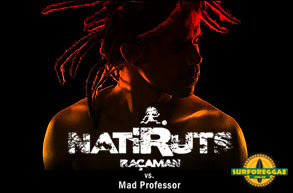
Natiruts is known above all for its versatility and creativity, a fact that has kept the band in evidence for so many years. Attracting fans of all ages and styles within reggae itself, the band graces the reggae audience with versions of the songs from the album "Raçaman" in DUB, made by the master Mad Professor. The partnership with the famous producer has been going on for a long time, including part of Raçaman itself was produced at Mad's studio, Ariwa.
Now the fusion of styles brings a surprising result, and 4 songs were previously chosen for fans to enjoy on their official website. They are: "Raçaman", "Fogueiras de Desilusões", "Vento, Sol" and "1996". The most sinister aspect of reggae fits like a glove in Alexandre's compositions, because the "Brazilian" feel of Natiruts makes Mad Professor's freakouts even more attractive with all those effects, echoes, channel changes, etc.
Visit the official website (www.natiruts.com), and check out the 4 songs available. Below, read the interview that Surforeggae did with Alexandre Carlo, lead singer of Natiruts. Remembering that in 2012, in addition to the new "Raçaman DUB", the band will record an acoustic DVD with the biggest hits of their career. Success in sight!
 1 Surforeggae: Mad Professor is already an old acquaintance of the Brazilian public, when and how did "Mad" come together with Natiruts and for the band that is considered the most popular on the Brazilian scene, what does it mean to work with an internationally renowned music producer?
Alexander: There comes a point in your career when you've shared the stage with all the classic bands you listened to in the past. And you also realize that your own band already has a history. Then things become more of a relationship of harmony and friendship than of adoration. Neil, who everyone knows as Mad is my friend, comes to my house when he goes to Brasilia and in the meantime we make music.
2 Surforeggae: DUB is not yet a very popular and widespread aspect of reggae in Brazil. The vast majority of the great masters have already left, giving way to new producers, the vast majority of whom are non-Jamaican and among these, few have actually managed to consolidate themselves in the international market. In Jamaica itself, where it was once a tradition for entire albums to be accompanied by DUB versions, this rarely happens anymore. Do you think that despite its great importance and despite being so interesting, DUB has slowed down in terms of the recording industry?
Alexander: I don't know if the Dub format is supposed to be popular. It's very experimental. In the old days, Dub and reggae were new. Today they are tradition. And the industry lives around news. And the romantics of tradition.
3 Surforeggae: Evidently, in other sectors DUB remains strong, especially in live performances where many bands use their resources in shows. As a representative of a great band who has also performed in other countries, what is your opinion from a national and international style point of view?
Alexander: For me, Dub's greatest contribution is the sense of textures that you can achieve in the sound, regardless of the style. An example is Jorge Ben's tablet of emeralds, which I don't even know if it was intentional, but it's a very Dub record.
4 Surforeggae: Not taking away the merits of the great Mad Professor who is a living legend, if you had the opportunity to invite another great master (even those who are gone) to work with you, who would it be?
Alexander: Well, with the same tradition in Neil's Dub, I only know Lee Perry and King Tubby. But in terms of good taste and competence we undoubtedly have other names.
5 Surforeggae: It's great that prominent bands on the national scene, especially those that can overcome the barriers of the Reggae-only audience and reach listeners of other styles, are promoting DUB culture. Have you by chance also thought about recording a song with foreign or Brazilian Toasters?
Alexander: For me, toasters, rappers and repentistas do the same thing. The art of rhyming. We already did it with Funk Buía and Gog. Then it would be very natural to repeat the dose.
6 Surforeggae: We are slowly losing big names from the founding of Reggae, most of them victims of lack of publicity. Many of these important figures were responsible for shaping a lot of things in its early days and probably 90% of the public has not even heard of them. One of the examples is King Stitt who is very sick. What do you think of this?
Alexander: We fall into that same old argument. The view of the black man who appears in old reggae videos, playing with a guitar missing three strings, is that it is magical, it is sensational. And it creates a thought, an opinion that that is the meaning of roots. Where for me, who is black, with a father, grandfather, and great-grandfather, that is synonymous with precariousness, lack of opportunity, something that needs to change, and must be dissociated from our culture. Favelas are not poverty. Favela is samba, reggae, capoeira, science, magic. Misery is cancer. I don't know if King's case was due to lack of publicity. Because it's normal in the reggae world for us to complain about the lack of space and at the same time complain about whoever shows up.
7 Surforeggae: How did the idea of recording these DUBs come about? What songs are produced and how will they be made available to fans?
Alexander: When we went to London in 2009 the idea and what we agreed with Neil was just to mix the Raçaman. But he liked the record and made the dubs spontaneously for us. Everything on time, without rehearsal. These are the ones we are making available.
1 Surforeggae: Mad Professor is already an old acquaintance of the Brazilian public, when and how did "Mad" come together with Natiruts and for the band that is considered the most popular on the Brazilian scene, what does it mean to work with an internationally renowned music producer?
Alexander: There comes a point in your career when you've shared the stage with all the classic bands you listened to in the past. And you also realize that your own band already has a history. Then things become more of a relationship of harmony and friendship than of adoration. Neil, who everyone knows as Mad is my friend, comes to my house when he goes to Brasilia and in the meantime we make music.
2 Surforeggae: DUB is not yet a very popular and widespread aspect of reggae in Brazil. The vast majority of the great masters have already left, giving way to new producers, the vast majority of whom are non-Jamaican and among these, few have actually managed to consolidate themselves in the international market. In Jamaica itself, where it was once a tradition for entire albums to be accompanied by DUB versions, this rarely happens anymore. Do you think that despite its great importance and despite being so interesting, DUB has slowed down in terms of the recording industry?
Alexander: I don't know if the Dub format is supposed to be popular. It's very experimental. In the old days, Dub and reggae were new. Today they are tradition. And the industry lives around news. And the romantics of tradition.
3 Surforeggae: Evidently, in other sectors DUB remains strong, especially in live performances where many bands use their resources in shows. As a representative of a great band who has also performed in other countries, what is your opinion from a national and international style point of view?
Alexander: For me, Dub's greatest contribution is the sense of textures that you can achieve in the sound, regardless of the style. An example is Jorge Ben's tablet of emeralds, which I don't even know if it was intentional, but it's a very Dub record.
4 Surforeggae: Not taking away the merits of the great Mad Professor who is a living legend, if you had the opportunity to invite another great master (even those who are gone) to work with you, who would it be?
Alexander: Well, with the same tradition in Neil's Dub, I only know Lee Perry and King Tubby. But in terms of good taste and competence we undoubtedly have other names.
5 Surforeggae: It's great that prominent bands on the national scene, especially those that can overcome the barriers of the Reggae-only audience and reach listeners of other styles, are promoting DUB culture. Have you by chance also thought about recording a song with foreign or Brazilian Toasters?
Alexander: For me, toasters, rappers and repentistas do the same thing. The art of rhyming. We already did it with Funk Buía and Gog. Then it would be very natural to repeat the dose.
6 Surforeggae: We are slowly losing big names from the founding of Reggae, most of them victims of lack of publicity. Many of these important figures were responsible for shaping a lot of things in its early days and probably 90% of the public has not even heard of them. One of the examples is King Stitt who is very sick. What do you think of this?
Alexander: We fall into that same old argument. The view of the black man who appears in old reggae videos, playing with a guitar missing three strings, is that it is magical, it is sensational. And it creates a thought, an opinion that that is the meaning of roots. Where for me, who is black, with a father, grandfather, and great-grandfather, that is synonymous with precariousness, lack of opportunity, something that needs to change, and must be dissociated from our culture. Favelas are not poverty. Favela is samba, reggae, capoeira, science, magic. Misery is cancer. I don't know if King's case was due to lack of publicity. Because it's normal in the reggae world for us to complain about the lack of space and at the same time complain about whoever shows up.
7 Surforeggae: How did the idea of recording these DUBs come about? What songs are produced and how will they be made available to fans?
Alexander: When we went to London in 2009 the idea and what we agreed with Neil was just to mix the Raçaman. But he liked the record and made the dubs spontaneously for us. Everything on time, without rehearsal. These are the ones we are making available.
INTERVIEW WITH ALEXANDRE CARLO
1 Surforeggae: Mad Professor is already an old acquaintance of the Brazilian public, when and how did "Mad" come together with Natiruts and for the band that is considered the most popular on the Brazilian scene, what does it mean to work with an internationally renowned music producer?
Alexander: There comes a point in your career when you've shared the stage with all the classic bands you listened to in the past. And you also realize that your own band already has a history. Then things become more of a relationship of harmony and friendship than of adoration. Neil, who everyone knows as Mad is my friend, comes to my house when he goes to Brasilia and in the meantime we make music.
2 Surforeggae: DUB is not yet a very popular and widespread aspect of reggae in Brazil. The vast majority of the great masters have already left, giving way to new producers, the vast majority of whom are non-Jamaican and among these, few have actually managed to consolidate themselves in the international market. In Jamaica itself, where it was once a tradition for entire albums to be accompanied by DUB versions, this rarely happens anymore. Do you think that despite its great importance and despite being so interesting, DUB has slowed down in terms of the recording industry?
Alexander: I don't know if the Dub format is supposed to be popular. It's very experimental. In the old days, Dub and reggae were new. Today they are tradition. And the industry lives around news. And the romantics of tradition.
3 Surforeggae: Evidently, in other sectors DUB remains strong, especially in live performances where many bands use their resources in shows. As a representative of a great band who has also performed in other countries, what is your opinion from a national and international style point of view?
Alexander: For me, Dub's greatest contribution is the sense of textures that you can achieve in the sound, regardless of the style. An example is Jorge Ben's tablet of emeralds, which I don't even know if it was intentional, but it's a very Dub record.
4 Surforeggae: Not taking away the merits of the great Mad Professor who is a living legend, if you had the opportunity to invite another great master (even those who are gone) to work with you, who would it be?
Alexander: Well, with the same tradition in Neil's Dub, I only know Lee Perry and King Tubby. But in terms of good taste and competence we undoubtedly have other names.
5 Surforeggae: It's great that prominent bands on the national scene, especially those that can overcome the barriers of the Reggae-only audience and reach listeners of other styles, are promoting DUB culture. Have you by chance also thought about recording a song with foreign or Brazilian Toasters?
Alexander: For me, toasters, rappers and repentistas do the same thing. The art of rhyming. We already did it with Funk Buía and Gog. Then it would be very natural to repeat the dose.
6 Surforeggae: We are slowly losing big names from the founding of Reggae, most of them victims of lack of publicity. Many of these important figures were responsible for shaping a lot of things in its early days and probably 90% of the public has not even heard of them. One of the examples is King Stitt who is very sick. What do you think of this?
Alexander: We fall into that same old argument. The view of the black man who appears in old reggae videos, playing with a guitar missing three strings, is that it is magical, it is sensational. And it creates a thought, an opinion that that is the meaning of roots. Where for me, who is black, with a father, grandfather, and great-grandfather, that is synonymous with precariousness, lack of opportunity, something that needs to change, and must be dissociated from our culture. Favelas are not poverty. Favela is samba, reggae, capoeira, science, magic. Misery is cancer. I don't know if King's case was due to lack of publicity. Because it's normal in the reggae world for us to complain about the lack of space and at the same time complain about whoever shows up.
7 Surforeggae: How did the idea of recording these DUBs come about? What songs are produced and how will they be made available to fans?
Alexander: When we went to London in 2009 the idea and what we agreed with Neil was just to mix the Raçaman. But he liked the record and made the dubs spontaneously for us. Everything on time, without rehearsal. These are the ones we are making available.Category
#Reggae