
Reggae · June 07, 2021
Exclusive interview: Alexandre Carlo of Natiruts talks about the new album, the band's career and more!
With an internationally consolidated career, Natiruts has just released the new album “Good Vibration – Vol. 1” full of super appearances.
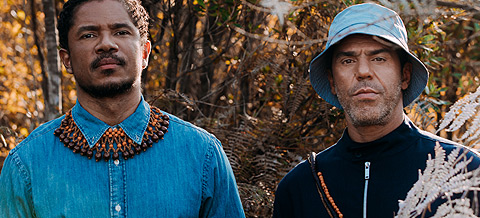
With an internationally consolidated career, Natiruts has just released the new album “Good Vibration – Vol. 1” full of super appearances. Alexandre Carlo, vocalist and composer of the band's countless hits, gave us an exclusive interview to talk about the news and many other topics, especially at the moment we live in Brazil.
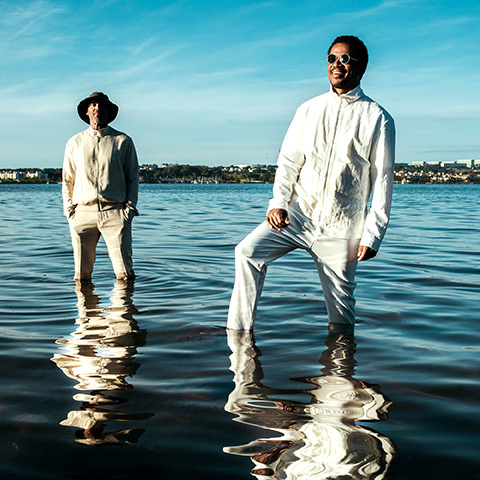 (Album cover of “Good Vibration Vol. 1”)
Rafael Costa: In this album that you just released, “Good Vibration Vol. 1”, you brought several composers, in addition to your own songs, some in partnership. In recent years, people who closely follow Natiruts' work know that you have formed several international partnerships, including Ziggy Marley, Morgan Heritage, SOJA, Pedro Capó, Macaco, Debi Nova, Julian Marley, Wailers, Katchafire and several others. How do you define these partnerships? Do you think Brazilian Reggae artists should invest more in this type of collaboration too?
Alexandre Carlo: Ah, it's always good to expand your borders. In the case of Natiruts it was the band's music that arrived, it's always like that. Reggae, even in the United States and obviously here in Brazil as well, does not have its due space recognized in the mainstream media. So it ends up that artists arrive more through their songs than through a marketing strategy or anything like that. Natiruts today differentiates itself, of course, because it had many successes that transcended reggae and ended up becoming a pop band, in the best sense of the word pop (popular). So, these partnerships emerged when Natiruts' name had grown outside the country, and then we said: “Well, shall we invite Ziggy Marley?”
When the news came to him that there would be a song, he already knew the band, not deeply, but he had already heard about it and this gave him a natural interest in at least listening to the sound that was being sent to him. I think everyone knows, he must receive hundreds of messages asking for partnerships because he is, in my opinion, the greatest reggae artist today for two factors: the first is the legacy he carries for being the firstborn of one of the greatest artists of humanity, not just Reggae, and secondly because of his work, which is very interesting. It's a work that influenced me, not directly because of the sound, but because of the concept, which is exactly what I'm looking for in my reggae: to make authentic reggae but without distancing itself from the original format, otherwise it wouldn't be reggae... but without shame, right? Without the fear of inserting several different elements into this song that Ziggy Marley makes. With Julian, with the Wailers, anyway, it's the same thing. They had all heard of Natiruts.
(Album cover of “Good Vibration Vol. 1”)
Rafael Costa: In this album that you just released, “Good Vibration Vol. 1”, you brought several composers, in addition to your own songs, some in partnership. In recent years, people who closely follow Natiruts' work know that you have formed several international partnerships, including Ziggy Marley, Morgan Heritage, SOJA, Pedro Capó, Macaco, Debi Nova, Julian Marley, Wailers, Katchafire and several others. How do you define these partnerships? Do you think Brazilian Reggae artists should invest more in this type of collaboration too?
Alexandre Carlo: Ah, it's always good to expand your borders. In the case of Natiruts it was the band's music that arrived, it's always like that. Reggae, even in the United States and obviously here in Brazil as well, does not have its due space recognized in the mainstream media. So it ends up that artists arrive more through their songs than through a marketing strategy or anything like that. Natiruts today differentiates itself, of course, because it had many successes that transcended reggae and ended up becoming a pop band, in the best sense of the word pop (popular). So, these partnerships emerged when Natiruts' name had grown outside the country, and then we said: “Well, shall we invite Ziggy Marley?”
When the news came to him that there would be a song, he already knew the band, not deeply, but he had already heard about it and this gave him a natural interest in at least listening to the sound that was being sent to him. I think everyone knows, he must receive hundreds of messages asking for partnerships because he is, in my opinion, the greatest reggae artist today for two factors: the first is the legacy he carries for being the firstborn of one of the greatest artists of humanity, not just Reggae, and secondly because of his work, which is very interesting. It's a work that influenced me, not directly because of the sound, but because of the concept, which is exactly what I'm looking for in my reggae: to make authentic reggae but without distancing itself from the original format, otherwise it wouldn't be reggae... but without shame, right? Without the fear of inserting several different elements into this song that Ziggy Marley makes. With Julian, with the Wailers, anyway, it's the same thing. They had all heard of Natiruts.
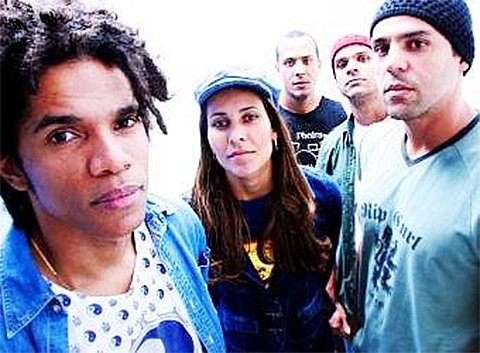 (The band Natiruts at the beginning of their career)
Rafael Costa: Alexandre, we have been going through several changes over the years and Natiruts is a band that has come a long way and has gone through this transition as well. During this transition, some types of media, such as the CD itself, have become increasingly rare and disappear. Other media have resurfaced, as in the case of Vinyl. Natiruts and many bands have focused their latest releases on digital platforms. Don't you think that with this, bands end up not failing to reach a certain considerable percentage of the public that values physical material? Or that you don't necessarily have access to digital platforms, especially paid ones?
Alexandre Carlo: Well, regarding the economic part. I believe that CDs started to disappear in the mid-2000s, and had an average value of R$30 or R$40. So I think that at this point, from an economic point of view, access has improved, because today you subscribe to Spotify for more or less the same amount, but it gives you access to a collection of more than 50 million songs and an infinite number of artists.
As far as the artist is concerned, I don’t think much has changed. On the CD, the artist was no longer paid as much, unless he was independent. But at the time, on the other hand, even though you were independent you didn't have the internet, that is, your sales ended up being limited because visibility was very limited. Access for the general public was radio or television, so for musicians, it's more or less the same thing in terms of making a living from music, in the sense of releasing a song on the market and being paid fairly for it.
But in terms of publicity, it has improved enormously in my opinion. Today you have YouTube that people can access for free, just by having internet or even paying for time at an internet café.
(The band Natiruts at the beginning of their career)
Rafael Costa: Alexandre, we have been going through several changes over the years and Natiruts is a band that has come a long way and has gone through this transition as well. During this transition, some types of media, such as the CD itself, have become increasingly rare and disappear. Other media have resurfaced, as in the case of Vinyl. Natiruts and many bands have focused their latest releases on digital platforms. Don't you think that with this, bands end up not failing to reach a certain considerable percentage of the public that values physical material? Or that you don't necessarily have access to digital platforms, especially paid ones?
Alexandre Carlo: Well, regarding the economic part. I believe that CDs started to disappear in the mid-2000s, and had an average value of R$30 or R$40. So I think that at this point, from an economic point of view, access has improved, because today you subscribe to Spotify for more or less the same amount, but it gives you access to a collection of more than 50 million songs and an infinite number of artists.
As far as the artist is concerned, I don’t think much has changed. On the CD, the artist was no longer paid as much, unless he was independent. But at the time, on the other hand, even though you were independent you didn't have the internet, that is, your sales ended up being limited because visibility was very limited. Access for the general public was radio or television, so for musicians, it's more or less the same thing in terms of making a living from music, in the sense of releasing a song on the market and being paid fairly for it.
But in terms of publicity, it has improved enormously in my opinion. Today you have YouTube that people can access for free, just by having internet or even paying for time at an internet café.
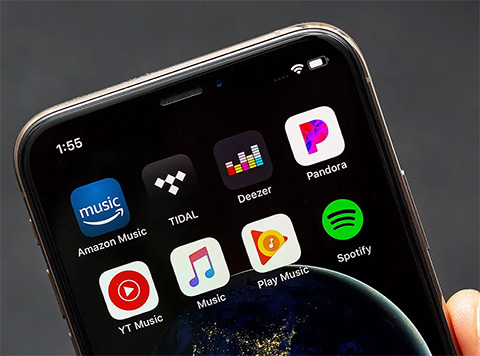 (The streaming era)
In a general context, I think things have become more democratic today for the public to have access to music and artists. You have to pay, of course, you have to pay, and you'll pay R$30, R$40 to have Spotify, but with the price of this platform - and others similar - you used to only buy one CD. If you consider the pirated disc, which cost around R$10, you would still have a maximum of 3 or 4 CDs, so, anyway, I think it has improved a lot in that sense. I think it moved the independent scene a lot because of that, through YouTube and streaming platforms.
In a more macro concept, I hope that next year we will see an improvement in this country's Government. When the country was more balanced in every way, we made a series of advances with our small company, Zeroneutro. Even though Natiruts is already big, achievements like that DVD on top of the mountain today would be practically impossible, and I'm not just referring to the pandemic. The rise in the dollar, in gasoline, in short, achievements of this magnitude cease to exist because the accounts don't close. We hope this improves and we remove this Bolsonaro agenda, because it is only favoring large corporations... really elite people.
Rafael Costa: Okay. We even have a question about this later here, later on.
Fabiane Almeida: The band is already consolidated and has achieved a lot in its national and international career. Do you have any kind of goal designed for the next two, three years after the pandemic?
Alexandre Carlo: No. The goal is to release Vol. 2 and resume shows. Every artist you ask, or the vast majority, will say that the dream is the stage. When the guy is at the beginning of the band, he releases an album hoping that this work will be received by X number of people, and that it will make it possible for him to have a dream of being on stage. Whether with 500, 1,000, 3,000, 10,000 or 20,000 people singing your songs. He wants to make a worthy living from it. For that alone, any real artist would be satisfied. So that's the plan for next year: to actually resume touring.
In 2020, we had a big international tour already scheduled with 11 shows in the United States, and for the first time with an American agency. We were going to play at CaliRoots, which is one of the biggest festivals there. Because everything was so uncertain in the country, we even cancelled. You can't make a commitment without knowing whether you'll be able to keep it. In short, the most certain plan is that we want to return to performing shows as soon as possible.
(The streaming era)
In a general context, I think things have become more democratic today for the public to have access to music and artists. You have to pay, of course, you have to pay, and you'll pay R$30, R$40 to have Spotify, but with the price of this platform - and others similar - you used to only buy one CD. If you consider the pirated disc, which cost around R$10, you would still have a maximum of 3 or 4 CDs, so, anyway, I think it has improved a lot in that sense. I think it moved the independent scene a lot because of that, through YouTube and streaming platforms.
In a more macro concept, I hope that next year we will see an improvement in this country's Government. When the country was more balanced in every way, we made a series of advances with our small company, Zeroneutro. Even though Natiruts is already big, achievements like that DVD on top of the mountain today would be practically impossible, and I'm not just referring to the pandemic. The rise in the dollar, in gasoline, in short, achievements of this magnitude cease to exist because the accounts don't close. We hope this improves and we remove this Bolsonaro agenda, because it is only favoring large corporations... really elite people.
Rafael Costa: Okay. We even have a question about this later here, later on.
Fabiane Almeida: The band is already consolidated and has achieved a lot in its national and international career. Do you have any kind of goal designed for the next two, three years after the pandemic?
Alexandre Carlo: No. The goal is to release Vol. 2 and resume shows. Every artist you ask, or the vast majority, will say that the dream is the stage. When the guy is at the beginning of the band, he releases an album hoping that this work will be received by X number of people, and that it will make it possible for him to have a dream of being on stage. Whether with 500, 1,000, 3,000, 10,000 or 20,000 people singing your songs. He wants to make a worthy living from it. For that alone, any real artist would be satisfied. So that's the plan for next year: to actually resume touring.
In 2020, we had a big international tour already scheduled with 11 shows in the United States, and for the first time with an American agency. We were going to play at CaliRoots, which is one of the biggest festivals there. Because everything was so uncertain in the country, we even cancelled. You can't make a commitment without knowing whether you'll be able to keep it. In short, the most certain plan is that we want to return to performing shows as soon as possible.
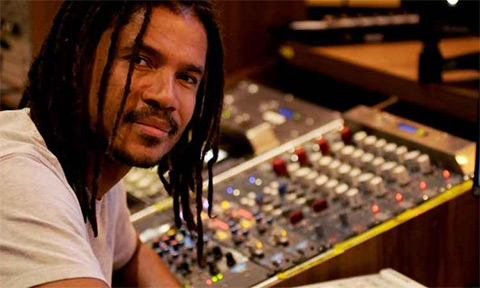 (Alexandre Carlo working in the studio)
Rafael Costa: Another thing we've noticed in recent years is that you've greatly intensified your performances in other countries, like this tour you mentioned and especially shows in Latin America. You also started producing a lot more material in Spanish. What were the main challenges that you and the other members faced in this process of reaching these markets in a more frequent and dedicated way?
Alexandre Carlo: As I answered previously, it all starts with the strength of Natiruts' songs. What first arrived there in Chile, Argentina, were the songs. After they arrived, we received calls from Chile... from Argentina: “So and so, we want to do a show here!” Because there is an interested audience here, etc., generally being independent producers.
It's like what happens in reggae here in Brazil: independent producers who work with bands that are starting out. It was the same thing with Natiruts, which was already big here in Brazil, but back in 2005/2006, in terms of structure, it was still starting. And we went there, you know, in that reduced format, we played in places for 500 people and promoted it in the best possible way. Our first time in Chile was in a pub for 300 people, and we spent two days there. In Argentina it was already a surprise. It was in a house called Niceto Club. We got there on the day of the event, 800 tickets were sold out, which is what the house could fit. Then they opened another date and sold out the other 800 on the day.
We even did a third one that held half a house, there for 400/500 people. So that's it, our international career is largely due to the strength of the songs, it wasn't much because of a miracle of some marketing project that was done or some investment from someone. It was very natural. As you know, it was like that here in Brazil too. In Salvador, for example, those of you who are younger than me, I don't know if you understood how the music got there. It was through the band K7, and later through the band Diamba, which was the first to really publicize our work by playing some songs at their shows. They already had an audience and, even though they were independent, it was already quite large. They were already filling up the old Cine Rio Vermelho, one of those iconic reggae venues from the 90s.
Rafael Costa: That's the process. I even followed a little of this from some countries where I was with some bands, working with international attractions and people, like you said, producers, always asked about Natiruts. Both in Latin America, Europe and other places. People were always very curious. I think it's cool that you've achieved this over the years, this importance and relevance... so, congratulations on your journey.
Reggae remains really segmented in Brazil and it takes a long time for a new attraction to emerge nationally. As the lead singer of a band as relevant and comprehensive as Natiruts, do you have any tips you could share with new artists who are interested in pursuing a career in reggae in Brazil?
Alexandre Carlo: It's difficult for you to talk about tips, but I believe the best of them revolve around music. Try to have a good arrangement, have a good show, rehearse properly, think about transitions, work hard when recording even with resource difficulties, in short, seek the greatest and best polishing of what really matters: the music.
According to Quincy Jones, who produced Frank Sinatra and Michael Jackson, undisputed stars of the recording industry, everything we do in relation to our career and music corresponds to 70% of the whole thing. The other 30% is something we don't control: where the music will reach, to which audiences, whether the people it reaches will really identify with the sound, etc. That's why it's so difficult to talk about "tips". There is no formula... but CERTAINLY working with love and dedication towards your music will maximize your chances of success.
Now I can also speak in terms of concept. This is my vision. I think that many reggae bands of my generation, excellent groups, fell by the wayside... but not in a pejorative way. I say stay by the way because, as an admirer of several that I saw born in the 90s, they should still be active today. It's just that they got too caught up in the thing of modesty, the "Roots" and aesthetic concepts of the 70s due to an ideology that was created within Brazil that if you didn't do that reggae, in that way, you would be losing the essence or you would be tarnishing the image of reggae. Bob Marley himself, in the late 60s and early 70s, was already modernizing Jamaican music, breaking with the old ska model. I say breaking in a good way, because everyone liked ska, but they were looking for something new... something different.
(Alexandre Carlo working in the studio)
Rafael Costa: Another thing we've noticed in recent years is that you've greatly intensified your performances in other countries, like this tour you mentioned and especially shows in Latin America. You also started producing a lot more material in Spanish. What were the main challenges that you and the other members faced in this process of reaching these markets in a more frequent and dedicated way?
Alexandre Carlo: As I answered previously, it all starts with the strength of Natiruts' songs. What first arrived there in Chile, Argentina, were the songs. After they arrived, we received calls from Chile... from Argentina: “So and so, we want to do a show here!” Because there is an interested audience here, etc., generally being independent producers.
It's like what happens in reggae here in Brazil: independent producers who work with bands that are starting out. It was the same thing with Natiruts, which was already big here in Brazil, but back in 2005/2006, in terms of structure, it was still starting. And we went there, you know, in that reduced format, we played in places for 500 people and promoted it in the best possible way. Our first time in Chile was in a pub for 300 people, and we spent two days there. In Argentina it was already a surprise. It was in a house called Niceto Club. We got there on the day of the event, 800 tickets were sold out, which is what the house could fit. Then they opened another date and sold out the other 800 on the day.
We even did a third one that held half a house, there for 400/500 people. So that's it, our international career is largely due to the strength of the songs, it wasn't much because of a miracle of some marketing project that was done or some investment from someone. It was very natural. As you know, it was like that here in Brazil too. In Salvador, for example, those of you who are younger than me, I don't know if you understood how the music got there. It was through the band K7, and later through the band Diamba, which was the first to really publicize our work by playing some songs at their shows. They already had an audience and, even though they were independent, it was already quite large. They were already filling up the old Cine Rio Vermelho, one of those iconic reggae venues from the 90s.
Rafael Costa: That's the process. I even followed a little of this from some countries where I was with some bands, working with international attractions and people, like you said, producers, always asked about Natiruts. Both in Latin America, Europe and other places. People were always very curious. I think it's cool that you've achieved this over the years, this importance and relevance... so, congratulations on your journey.
Reggae remains really segmented in Brazil and it takes a long time for a new attraction to emerge nationally. As the lead singer of a band as relevant and comprehensive as Natiruts, do you have any tips you could share with new artists who are interested in pursuing a career in reggae in Brazil?
Alexandre Carlo: It's difficult for you to talk about tips, but I believe the best of them revolve around music. Try to have a good arrangement, have a good show, rehearse properly, think about transitions, work hard when recording even with resource difficulties, in short, seek the greatest and best polishing of what really matters: the music.
According to Quincy Jones, who produced Frank Sinatra and Michael Jackson, undisputed stars of the recording industry, everything we do in relation to our career and music corresponds to 70% of the whole thing. The other 30% is something we don't control: where the music will reach, to which audiences, whether the people it reaches will really identify with the sound, etc. That's why it's so difficult to talk about "tips". There is no formula... but CERTAINLY working with love and dedication towards your music will maximize your chances of success.
Now I can also speak in terms of concept. This is my vision. I think that many reggae bands of my generation, excellent groups, fell by the wayside... but not in a pejorative way. I say stay by the way because, as an admirer of several that I saw born in the 90s, they should still be active today. It's just that they got too caught up in the thing of modesty, the "Roots" and aesthetic concepts of the 70s due to an ideology that was created within Brazil that if you didn't do that reggae, in that way, you would be losing the essence or you would be tarnishing the image of reggae. Bob Marley himself, in the late 60s and early 70s, was already modernizing Jamaican music, breaking with the old ska model. I say breaking in a good way, because everyone liked ska, but they were looking for something new... something different.
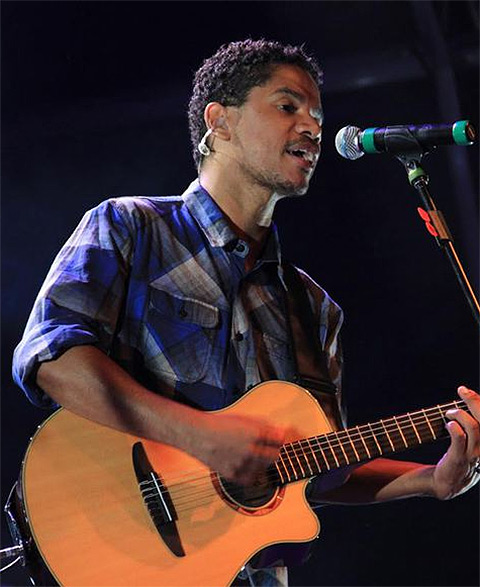 (Alexandre without the dreads, but with the same success)
Going back to the 90s, within this concept, the movement as a whole could have looked for something new too... adapting to new trends. Thankfully, this concept is falling apart and I see more bands looking for something different, without worrying too much about these restrictive concepts. When I got tired of dreadlocks, I cut them off straight away. Of course I was criticized, that I had become "POP" and so on. Then I started playing with that Lacoste shirt, precisely to provoke this audience and show them that clothing doesn't matter... reggae isn't about putting on a green, yellow and red scarf and smoking a joint in the video. This is a very serious issue that was raised by Bob Marley and artists often think they are more authentic than others for doing this.
Rastafari is a very serious issue and, even though I respect it a lot, I'm not... I don't live... and I didn't want my sound to sound fake for that reason. Out of respect for the guys, I make my sound, in my own way and with the things I experience. That's why I think today's reggae is much better. Everyone does what they want with their career and sound, as people are increasingly connected with the essence, in attitudes, that is, the practical part of the thing. In these 25 years of Natiruts, you won't find a single controversy, as we have always lived each phase in the most sincere way possible... sincere and cohesive with what we believed in each phase of this journey. That, for me, is being reggae musicSuch criticism cannot, in my opinion, be muzzled or deterred by the courts at the instance of public officials under the label of libel.
Fabiane Almeida: I think it even has to do with what you were saying now in relation to the trajectory of your entire career over these 25 years. What has changed in Alexandre Carlo since the album “Nativus”, 24 years ago, to his latest work, “Good Vibration Volume 1”?
Alexandre Carlo: It changed my life experience a lot. This has changed a lot! That first album was sweet, for example. I started composing that album in 93, before meeting the first members. In fact, the idea, the idealization of the “Nativus” concept was mine in 93/94, which was to create a reggae band mixed with Brazilian music, and only later did I start to form the band, or rather... I didn't form it, but fate took charge of putting together the necessary pieces to begin the journey.
As I said, in the beginning they were sweet songs... because I was only 20 years old and I hadn't been through any bad things, practically no really bad things in my life until my father's death. Other loved ones were making their journeys and there's no way around it, it changes you. There were also moments of the world disappointing you and, of course, of you also disappointing the world. This makes you "hard" with life, and the challenge ends up being to prevent this "hardness" from negatively interfering with your music or your life. Facing this harsh world without losing spirituality or positivity is, in my opinion, the greatest mark of Reggae, which connects with Rastafari. I think it's cool, not the dogmatic, religious part, but the part about ancestral concepts, from ancestral Ethiopia, even Kemetic Yoga, which is now making a comeback. This thing about mental health and PositiveVibration in its truest concept, which even today is distorted as happened with the core of the hippie and punk movement, it is these turbulent layers that make us evolve as human beings.
Rafael Costa: That's it. We have two more questions here. The next one has to do with that issue you mentioned about politics, which is the following: many people have criticized the artistic class in Brazil for sitting on the fence in the face of the moment we are living in, of authoritarianism and everything else in politics. You are one of the people who has always taken a stand, not in a partisan way, but against some things that are really unacceptable and I believe that you also paid a bit of that price, because several people started to criticize you. Do you think the artistic class has this responsibility to make people reflect on these issues? What is your view on the current situation in Brazil? Do you think that the artistic class should embrace the cause more and take a stance in relation to everything that is happening in Brazil today?
Alexandre Carlo: Look, we cannot generalize the artistic class. The national artistic class is very broad. There is part of the artistic class that votes for a number, not for the candidate. He votes for what will be good for him individually, there isn't much of a collective issue. So, if there is a candidate whose agenda is to improve conditions for agribusiness, release a lot of pesticides, make environmental laws more flexible and deforest everything so that your farm can increase, making you even richer and so on, there is a PART of the artistic class who, for personal reasons, are supporters of this. There is another part that is more combative in relation to the rights of the peripheries. There is another artistic class, which I think is more Reggae, it takes more care of people's spirituality and mental health... education. And education is not just about teaching people that 2 + 2 is equal to 4. Education is about talking about love for others, about unity. You are raising a youth by introducing concepts of empathy, of knowing that the world is not just yours, and that, suddenly, something may even benefit you, but it will greatly harm others.
(Alexandre without the dreads, but with the same success)
Going back to the 90s, within this concept, the movement as a whole could have looked for something new too... adapting to new trends. Thankfully, this concept is falling apart and I see more bands looking for something different, without worrying too much about these restrictive concepts. When I got tired of dreadlocks, I cut them off straight away. Of course I was criticized, that I had become "POP" and so on. Then I started playing with that Lacoste shirt, precisely to provoke this audience and show them that clothing doesn't matter... reggae isn't about putting on a green, yellow and red scarf and smoking a joint in the video. This is a very serious issue that was raised by Bob Marley and artists often think they are more authentic than others for doing this.
Rastafari is a very serious issue and, even though I respect it a lot, I'm not... I don't live... and I didn't want my sound to sound fake for that reason. Out of respect for the guys, I make my sound, in my own way and with the things I experience. That's why I think today's reggae is much better. Everyone does what they want with their career and sound, as people are increasingly connected with the essence, in attitudes, that is, the practical part of the thing. In these 25 years of Natiruts, you won't find a single controversy, as we have always lived each phase in the most sincere way possible... sincere and cohesive with what we believed in each phase of this journey. That, for me, is being reggae musicSuch criticism cannot, in my opinion, be muzzled or deterred by the courts at the instance of public officials under the label of libel.
Fabiane Almeida: I think it even has to do with what you were saying now in relation to the trajectory of your entire career over these 25 years. What has changed in Alexandre Carlo since the album “Nativus”, 24 years ago, to his latest work, “Good Vibration Volume 1”?
Alexandre Carlo: It changed my life experience a lot. This has changed a lot! That first album was sweet, for example. I started composing that album in 93, before meeting the first members. In fact, the idea, the idealization of the “Nativus” concept was mine in 93/94, which was to create a reggae band mixed with Brazilian music, and only later did I start to form the band, or rather... I didn't form it, but fate took charge of putting together the necessary pieces to begin the journey.
As I said, in the beginning they were sweet songs... because I was only 20 years old and I hadn't been through any bad things, practically no really bad things in my life until my father's death. Other loved ones were making their journeys and there's no way around it, it changes you. There were also moments of the world disappointing you and, of course, of you also disappointing the world. This makes you "hard" with life, and the challenge ends up being to prevent this "hardness" from negatively interfering with your music or your life. Facing this harsh world without losing spirituality or positivity is, in my opinion, the greatest mark of Reggae, which connects with Rastafari. I think it's cool, not the dogmatic, religious part, but the part about ancestral concepts, from ancestral Ethiopia, even Kemetic Yoga, which is now making a comeback. This thing about mental health and PositiveVibration in its truest concept, which even today is distorted as happened with the core of the hippie and punk movement, it is these turbulent layers that make us evolve as human beings.
Rafael Costa: That's it. We have two more questions here. The next one has to do with that issue you mentioned about politics, which is the following: many people have criticized the artistic class in Brazil for sitting on the fence in the face of the moment we are living in, of authoritarianism and everything else in politics. You are one of the people who has always taken a stand, not in a partisan way, but against some things that are really unacceptable and I believe that you also paid a bit of that price, because several people started to criticize you. Do you think the artistic class has this responsibility to make people reflect on these issues? What is your view on the current situation in Brazil? Do you think that the artistic class should embrace the cause more and take a stance in relation to everything that is happening in Brazil today?
Alexandre Carlo: Look, we cannot generalize the artistic class. The national artistic class is very broad. There is part of the artistic class that votes for a number, not for the candidate. He votes for what will be good for him individually, there isn't much of a collective issue. So, if there is a candidate whose agenda is to improve conditions for agribusiness, release a lot of pesticides, make environmental laws more flexible and deforest everything so that your farm can increase, making you even richer and so on, there is a PART of the artistic class who, for personal reasons, are supporters of this. There is another part that is more combative in relation to the rights of the peripheries. There is another artistic class, which I think is more Reggae, it takes more care of people's spirituality and mental health... education. And education is not just about teaching people that 2 + 2 is equal to 4. Education is about talking about love for others, about unity. You are raising a youth by introducing concepts of empathy, of knowing that the world is not just yours, and that, suddenly, something may even benefit you, but it will greatly harm others.
 (A country torn apart by a political disaster)
Nessa ideia você passa a enxergar seus próprios privilégios e entender que aquela pauta governamental não é bem para você, mas sim para uma galera que aguarda desesperadamente por uma melhora de vida. So that's what reggae, in my opinion, does. Eu não abandono a minha concepção original... pode acabar o mundo que eu vou estar falando sempre de "Good Vibration", porque eu não sou oportunista, não comecei a falar disso agora. I've been talking about this for a long time and very coherently. I think that each artist has the right to say what they think and what they should, when they should, because not everyone knows how to deal with controversy. There are artists who take a controversy and make lemonade, whether they are from the right or the left. The guy who kills him in the chest turns it into a huge thing, which ends up being good for his career. There are artists who, after a “little controversy”, no longer sleep for a week, become depressed, leave YouTube, leave Instagram, as happened with the girl Ludmilla, for example, who suffered racist attacks and had to get rid of her social network.
Então, como é que é você vai exigir da Ludmila que ela fique ali diariamente falando (digitando) combatendo os chamados “bolsominions”, vamos dizer assim, né? The Bolsonarist wing and such. Will she die? What is she going to do? Are you going to commit suicide for the sake of a post? So Brazil is quite complicated. I think that the artist not only has the function of reporting, he also has the function of educating. Eu vejo artistas que não têm muito essa veia da denúncia, talvez justamente por não se darem bem com o que isso acarreta para a sua vida pessoal. I see that they are very active in terms of education, in terms of being aware of their songs and having a message, be it positive or educational. Um exemplo é o Carlinhos Brown, do qual eu sou fã e de qual eu admiro muito o jeito que ele se posiciona em relação à Negritude, que pode não ser uma Negritude combativa, militante e direta, mas se você for ver é muito real e é muito importante.
Carlinhos Brown has already taken more than 15 thousand people out of joblessness and informality and into the musical world through a wonderful project he has, but he's not a guy who "acts out" on social media. We have to understand that there are different types of manifestations and there are different types of personalities. Tem pessoas que são mais combativas, tem pessoas mais tímidas, tem pessoas que diante de um ataque a negros, por exemplo, já ia se alistar para ser linha de frente no combate. O outro é mais tímido, é mais tranquilo, mas entende pra caramba de matemática, de física e trabalharia na área de tecnologia dentro do laboratório, e seria tão importante quanto esse cara mais combativo. This concept of union of minds, particularities and personalities that I believe to be the most important, not only within blackness, but within these people who believe that this “Bolsonaro project” has to be defeated in 2022. The most combative people make this discourse, this rapprochement, difficult. Temos que entender que quem é partidário de Bolsonaro acredita de coração em tudo, então se os argumentos são ríspidos e contrários, pouca coisa boa será aproveitada dessa comunicação. A more educational, neutral and clear speech can raise awareness among people affected by Bolsonaro fake news.
Bob Marley had that a lot. You don't see Bob Marley communicating aggressively. His lyrics are always explanatory:
(A country torn apart by a political disaster)
Nessa ideia você passa a enxergar seus próprios privilégios e entender que aquela pauta governamental não é bem para você, mas sim para uma galera que aguarda desesperadamente por uma melhora de vida. So that's what reggae, in my opinion, does. Eu não abandono a minha concepção original... pode acabar o mundo que eu vou estar falando sempre de "Good Vibration", porque eu não sou oportunista, não comecei a falar disso agora. I've been talking about this for a long time and very coherently. I think that each artist has the right to say what they think and what they should, when they should, because not everyone knows how to deal with controversy. There are artists who take a controversy and make lemonade, whether they are from the right or the left. The guy who kills him in the chest turns it into a huge thing, which ends up being good for his career. There are artists who, after a “little controversy”, no longer sleep for a week, become depressed, leave YouTube, leave Instagram, as happened with the girl Ludmilla, for example, who suffered racist attacks and had to get rid of her social network.
Então, como é que é você vai exigir da Ludmila que ela fique ali diariamente falando (digitando) combatendo os chamados “bolsominions”, vamos dizer assim, né? The Bolsonarist wing and such. Will she die? What is she going to do? Are you going to commit suicide for the sake of a post? So Brazil is quite complicated. I think that the artist not only has the function of reporting, he also has the function of educating. Eu vejo artistas que não têm muito essa veia da denúncia, talvez justamente por não se darem bem com o que isso acarreta para a sua vida pessoal. I see that they are very active in terms of education, in terms of being aware of their songs and having a message, be it positive or educational. Um exemplo é o Carlinhos Brown, do qual eu sou fã e de qual eu admiro muito o jeito que ele se posiciona em relação à Negritude, que pode não ser uma Negritude combativa, militante e direta, mas se você for ver é muito real e é muito importante.
Carlinhos Brown has already taken more than 15 thousand people out of joblessness and informality and into the musical world through a wonderful project he has, but he's not a guy who "acts out" on social media. We have to understand that there are different types of manifestations and there are different types of personalities. Tem pessoas que são mais combativas, tem pessoas mais tímidas, tem pessoas que diante de um ataque a negros, por exemplo, já ia se alistar para ser linha de frente no combate. O outro é mais tímido, é mais tranquilo, mas entende pra caramba de matemática, de física e trabalharia na área de tecnologia dentro do laboratório, e seria tão importante quanto esse cara mais combativo. This concept of union of minds, particularities and personalities that I believe to be the most important, not only within blackness, but within these people who believe that this “Bolsonaro project” has to be defeated in 2022. The most combative people make this discourse, this rapprochement, difficult. Temos que entender que quem é partidário de Bolsonaro acredita de coração em tudo, então se os argumentos são ríspidos e contrários, pouca coisa boa será aproveitada dessa comunicação. A more educational, neutral and clear speech can raise awareness among people affected by Bolsonaro fake news.
Bob Marley had that a lot. You don't see Bob Marley communicating aggressively. His lyrics are always explanatory:
 ...we plant the corn, we build the penitentiaries and they put us in there afterwards to suffer”. Do you see? Of course, it's direct, but it didn't attack either of those two he brought together (in reference to Michael Manley and Edward Seaga in the One Love Peace Concert). Maybe he struck a chord with thousands of people in a playful way, in a consistent way, but he wasn't, let's say, aggressive... he was even combative, but not aggressive. You have to be spiritual to do this, but - above all - intelligent. So I try, you know, I try to do it in a different way, because I'm not Bob Marley, no one is going to be Bob Marley.
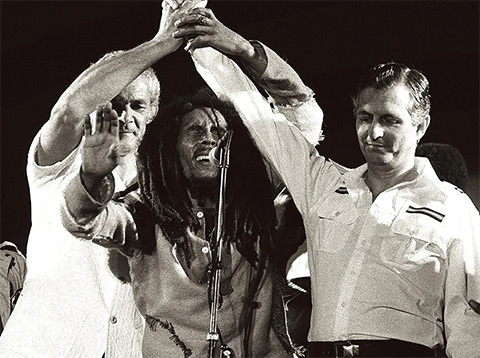 (Bob Marley joining hands with rival politicians)
Fabiane Almeida: Bahia has always had an admiration for the band, and Salvador is one of the capitals where Natiruts is extremely loved. This most recent album featured a composition by Dja Luz and the participation and composition of Carlinhos Brown, as you said at that moment... in addition to Denny Conceição who plays percussion in the band. How would you summarize Natiruts' relationship with Bahia, with Salvador, and in all these years of his career, which has always been very strong?
Alexandre Carlo: I think that because Salvador is a capital with a majority of black people, culturally this is part of the city's daily life. It's really cool that this reggae thing has an origin based on black Jamaicans denouncing the atrocities of an oppressive system and, at the same time, when this movement starts to grow and build itself, the same culture lifts black people out of precariousness, poverty, creates jobs, etc. So this tool is very important, and we are very happy to know, because Salvador, in my opinion, has a history of reggae creation, right? The intellectual and creative part of reggae, unlike Maranhão which consumes more radio stations, the culture of DJs, in short, which, although very important in the movement as a whole, are re-recorded songs from Jamaica. Salvador no. Salvador has an active movement of bands, and a history of compositions that narrate the reality of the black people of Salvador and the entire people of Salvador since the 70s. So, it's cool for us to be an outsider band (from Brasilia) and know that our songs are coherent with this culture, which is the culture of origin of the style.
Rafael Costa: Massive. Alexandre, we would like to thank you for the interview and we wish you every success. I hope we can meet soon on stages in Brazil and abroad too, right? We leave space free for your final message and we're together! Thank you for taking this time to talk to us.
Alexandre Carlo: Thanks to you too and congratulations on the channel that I've been following for years. I lived in São Paulo and already followed Surforeggae. And the message, in this country, in this chaos, is for us to take care of our inner energy. That so-called “Positive Vibration”. In moments of chaos, we start to not believe much in these positive things, because negativity wants exactly that, for us to start not believing and stay in that region of discomfort, despair and depression. The more we delve into this, thinking things will get better, no... it will only get worse. So this is the first message I have.
The second message is not for people who didn't believe Bolsonaro's speech, because you saw that things only got worse, right? My message for 2022 is for you who BELIEVED in that Bolsonarist agenda, this thing of "we have to put an end to all this", which would not align with Centrão, who wouldn't do the "old politics" and all those lies that, perhaps, were the reason for making you vote for Bolsonaro. Just change your mind. Change, and who knows, maybe we'll defeat him. I'm not telling you to vote for the left, it could be any other candidate, but that we really defeat this irresponsible, clearly IRRESPONSIBLE government.
The desire is that we can continue, that we can resume our democracy, that we can have a sensible leader, whether from the right or the left. A government that knows how to respect science and the Ministry of Health like the right-wing government of Fernando Henrique did during the AIDS crisis, or even the left-wing mandate of Lula/Dilma who faced H1N1 without being disconnected from the global guidance on how to deal with it. For example, in the face of the AIDS outbreak, there was no guidance for people to have sex without a condom nor the suggestion of unregulated early treatment. Apart from the devaluation of our currency against the dollar, constantly increasing gasoline prices, among other atrocities, which unfortunately affect the least favored people in the country. That alone is enough of an argument for us to move forward and remove this guy from power in 2022. A hug to everyone!
(Bob Marley joining hands with rival politicians)
Fabiane Almeida: Bahia has always had an admiration for the band, and Salvador is one of the capitals where Natiruts is extremely loved. This most recent album featured a composition by Dja Luz and the participation and composition of Carlinhos Brown, as you said at that moment... in addition to Denny Conceição who plays percussion in the band. How would you summarize Natiruts' relationship with Bahia, with Salvador, and in all these years of his career, which has always been very strong?
Alexandre Carlo: I think that because Salvador is a capital with a majority of black people, culturally this is part of the city's daily life. It's really cool that this reggae thing has an origin based on black Jamaicans denouncing the atrocities of an oppressive system and, at the same time, when this movement starts to grow and build itself, the same culture lifts black people out of precariousness, poverty, creates jobs, etc. So this tool is very important, and we are very happy to know, because Salvador, in my opinion, has a history of reggae creation, right? The intellectual and creative part of reggae, unlike Maranhão which consumes more radio stations, the culture of DJs, in short, which, although very important in the movement as a whole, are re-recorded songs from Jamaica. Salvador no. Salvador has an active movement of bands, and a history of compositions that narrate the reality of the black people of Salvador and the entire people of Salvador since the 70s. So, it's cool for us to be an outsider band (from Brasilia) and know that our songs are coherent with this culture, which is the culture of origin of the style.
Rafael Costa: Massive. Alexandre, we would like to thank you for the interview and we wish you every success. I hope we can meet soon on stages in Brazil and abroad too, right? We leave space free for your final message and we're together! Thank you for taking this time to talk to us.
Alexandre Carlo: Thanks to you too and congratulations on the channel that I've been following for years. I lived in São Paulo and already followed Surforeggae. And the message, in this country, in this chaos, is for us to take care of our inner energy. That so-called “Positive Vibration”. In moments of chaos, we start to not believe much in these positive things, because negativity wants exactly that, for us to start not believing and stay in that region of discomfort, despair and depression. The more we delve into this, thinking things will get better, no... it will only get worse. So this is the first message I have.
The second message is not for people who didn't believe Bolsonaro's speech, because you saw that things only got worse, right? My message for 2022 is for you who BELIEVED in that Bolsonarist agenda, this thing of "we have to put an end to all this", which would not align with Centrão, who wouldn't do the "old politics" and all those lies that, perhaps, were the reason for making you vote for Bolsonaro. Just change your mind. Change, and who knows, maybe we'll defeat him. I'm not telling you to vote for the left, it could be any other candidate, but that we really defeat this irresponsible, clearly IRRESPONSIBLE government.
The desire is that we can continue, that we can resume our democracy, that we can have a sensible leader, whether from the right or the left. A government that knows how to respect science and the Ministry of Health like the right-wing government of Fernando Henrique did during the AIDS crisis, or even the left-wing mandate of Lula/Dilma who faced H1N1 without being disconnected from the global guidance on how to deal with it. For example, in the face of the AIDS outbreak, there was no guidance for people to have sex without a condom nor the suggestion of unregulated early treatment. Apart from the devaluation of our currency against the dollar, constantly increasing gasoline prices, among other atrocities, which unfortunately affect the least favored people in the country. That alone is enough of an argument for us to move forward and remove this guy from power in 2022. A hug to everyone!
THE INTERVIEW
(Watch or check out the interview transcript below.)
Rafael Costa: Thank you for accepting the invitation. We have prepared some questions, I hope you enjoy the interview.
Alexandre Carlo: It's going to be great, it's good to speak to a Reggae outlet, there are very few and generally we speak to outlets that deal with everything. It's good to speak to the more specialized audience in reggae through you too.
(Album cover of “Good Vibration Vol. 1”)
(Clip from "Her")
Now that we published the song 'Ela", which is also by Dja Luz from Bahia, Third World commented. So, the fact that Natiruts' music reached the guys' ears, facilitated this conversation between them. These features, in relation to non-reggae artists like Macaco, like Pedro Capó, also follow this same logic, of Natiruts' music that came out of Brazil and is now in several places out there, in the knowledge of several people.
Second part of your question, I think it is always interesting for national reggae bands to invest in this environment of being able to feature with international artists, because their sound becomes known to the public of these artists, and it is interesting for these artists to also be known to the public of local bands.
Rafael Costa: Yes, it makes perfect sense.
Fabiane Almeida: Will the album that just came out, “Good Vibration Vol. I” be accompanied by Vol. II in 2022? Is there anything you can talk about this new project first hand, anything you can reveal?
Alexandre Carlo: Yes, this project will be called Vol. II and will not have a different name, despite being a different album. The name was because the songs that will be on it are very connected with this now. Most were made from scratch or finished during the pandemic. As we already have more or less 7, so with the 9 of these we already have 16 songs. A lot of music, so we decided to divide it into Vol. 1 and Vol. 2 and it will follow the same trend as this one with several participations.
We already have some. Generally the national ones are with artists who have already demonstrated some relationship of affection for the songs, for the work of Natiruts, or some greater influence such as Melim, Iza, etc. We already have two who have already recorded their voices and there are another 4 or 5, among them, three foreigners. We can only confirm after the recorded voice, right? So for now we will not disclose the names.
(The band Natiruts at the beginning of their career)
(The streaming era)
(Alexandre Carlo working in the studio)
(Alexandre without the dreads, but with the same success)
(A country torn apart by a political disaster)
...we plant the corn, we build the penitentiaries and they put us in there afterwards to suffer”. Do you see? Of course, it's direct, but it didn't attack either of those two he brought together (in reference to Michael Manley and Edward Seaga in the One Love Peace Concert). Maybe he struck a chord with thousands of people in a playful way, in a consistent way, but he wasn't, let's say, aggressive... he was even combative, but not aggressive. You have to be spiritual to do this, but - above all - intelligent. So I try, you know, I try to do it in a different way, because I'm not Bob Marley, no one is going to be Bob Marley.
(Bob Marley joining hands with rival politicians)
LISTEN TO THE NEW ALBUM IN FULL
Category
#Reggae