
Reggae e Religião!
A projeção mundial do reggae universalizou uma nova linguagem musical e trouxe para a discussão da cultura jovem um outro elemento, sintetiz
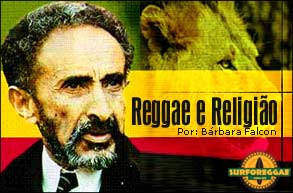
A projeção mundial do reggae universalizou uma nova linguagem musical e trouxe para a discussão da cultura jovem um outro elemento, sintetizado dentro de um sistema de pensamento místico-messiânico, o Rastafarianismo. Nesse sentido, o reggae jamaicano foi o principal disseminador das crenças e dos códigos de comportamento do Rastafarianismo em todo mundo. A própria estética rasta, evidenciada nos enormes dreadlocks de Bob Marley, corresponde a um dos seus principais símbolos.
O discurso ético e filosófico contra o establishment foi embutido de forma brilhante na melodia do reggae. O movimento Rasta e a revolução musical do reggae são, com toda justiça, um desenvolvimento contemporâneo de uma longa luta de autodeterminação e dos anseios de liberdade dos negros jamaicanos, inspirados, sobretudo, nas lutas dos Maroons estabelecidos no século XVIII. Fundamentados neste discurso, os jamaicanos passaram a abandonar a marca de escravos coloniais e buscaram reconstruir suas identidades. Assim, a libertação simbólica veio através da música.
A religião Rastafari nasceu de uma profecia do líder negro Marcus Mosiah Garvey feita numa igreja de Kingston em 1927, onde ele diz: “Olhem para a África, pois quando um negro for coroado, o dia da libertação estará próximo”. Em 1930, quando Ras Tafari Makonnen é coroado o imperador da Etiópia, pastores jamaicanos consultam as Escrituras Sagradas e o identificam como a encarnação viva de Jah (forma abreviada de Jehová). De acordo com a leitura rasta da Bíblia, Deus é negro e todos os negros são etíopes. A idéia de salvação está ligada ao repatriamento, o retorno à Etiópia, onde os rastas seriam reconduzidos por Ras Tafari (que recebeu o nome de Haillé Selassié) a terra prometida das tribos de Israel.
Dessa forma, muitos jamaicanos passaram a ver a moderna sociedade capitalista com outros olhos. Os negros, que da escravidão colonial passaram ao cativeiro da Babilônia, símbolo do sistema capitalista e da civilização branca, viram no Rastafarianismo uma filosofia de recusa a esta organização social. O garveysmo foi uma espécie de ponte entre os sionismos negros do final do século XIX e a política anticolonial da negritude que a seguiu, rompendo com as mentalidades missionárias norte-americanas e criando um modo de pertencimento mútuo que podemos distinguir como sendo o pan-africanismo da solidariedade.
As lutas anticoloniais na África, fundamentadas no Rastafarianismo, assumiram um papel central no processo de reconstrução de identidade dos negros daquele lugar. Durante o período da Guerra Fria, os ideais rastas passaram a incomodar políticos e a ameaçar o sistema vigente. Mas, apesar dos contratempos, a mensagem rasta foi propagada pelos quatro cantos do mundo. Mesmo não sendo bem visto e bem quisto pelos “bald-heads”, o reggae chega aqui, onde passou a exercer influência sobre a nova musicalidade brasileira.
No Brasil, a cordialidade construída pelo mito da democracia racial, passa a dar lugar a adoção de traços polêmicos. Nesse sentido, o reggae propiciou que artistas como Bob Marley e Jimmy Cliff passassem a influenciar profundamente os movimentos de revitalização da música afro-baiana e da música popular afro-maranhense. Os afoxés e blocos afros da Bahia podem ser considerados importantes nesse período, tanto quanto as festas de reggae em São Luís do Maranhão. Tais manifestações representavam uma possibilidade de mobilização política e uma tomada de consciência da juventude negra brasileira.
Na Bahia, tanto em Cachoeira quanto em Salvador, o reggae foi despojado em parte do seu conteúdo religioso original. Podemos dizer que aqui, de uma maneira geral, também foram incorporados diversos elementos ao pensamento místico-messiânico que teve origem na Jamaica. A miscigenação cultural e o sincretismo certamente contribuíram para a formação desse melting pot baiano. Como vemos, a identificação da juventude brasileira com a música reggae não foi motivo suficiente para a completa absorção do componente religioso embutido em sua mensagem. Mesmo adotando a estética rasta e sendo simpatizantes de parte do discurso, poucos brasileiros seguem à risca a religião.
Apesar de tratar-se de uma música essencialmente étnica, com um discurso político-existencial voltado para o negro, houve um outro fator essencial para a adoção do ritmo no Brasil. Em se tratando do campo da música propriamente dita, um componente importante deve ser considerado: o parentesco estrutural rítmico entre o reggae e certas manifestações musicais brasileiras, como o xote e o ijexá. Ao mesmo tempo, deve-se levar em conta que a identificação com o ritmo acontece também em conseqüência das influências culturais deixadas, tanto na Brasil quanto na Jamaica, por grupos de escravos procedentes de uma mesma região da África. Essa herança cultural foi, muito provavelmente, guardada na memória dos negros descendentes e reproduzidas em toda sorte de manifestações, inclusive na música.
O mais importante de tudo isso é que a música foi, sem dúvida alguma, o principal elemento de identificação entre as duas culturas, a brasileira e a jamaicana. O reggae se constitui assim como uma “ponte simbólica” ligando povos distintos e distanciados geograficamente, mas que mantiveram vivo o maravilhoso legado deixado por um antepassado comum.
Category
#Reggae