
Reggae · May 11, 2004
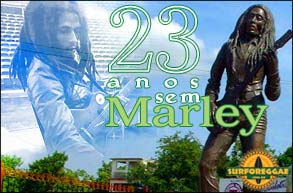
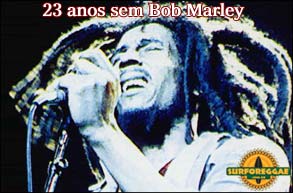
May 11, the day the Third World's star embarked for Zion! It's been 23 years without Bob Marley!
The year 1945 was special. After nine years of a war that killed millions of people around the world, peace finally returned to reign on Earth. In every corner of the planet people embraced one another and were able to celebrate the end of the saddest episode in human history. Thousands of sons returned to their homes, families were reunited, and the building of a new era began.
Besides this fact, there was another great event, which only some residents of the small village of Nine Miles, in the rural interior of the Parish of St. Ann (Santa Ana), in northern Jamaica, celebrated. On February 6 of that year there was born the boy Robert Nesta Marley, son of Cedella Booker, a black girl of only eighteen years of age, and Captain Norval Marley, of the British West Indies Regiment, a fifty-year-old white Englishman who, due to pressure from his family in England, despite helping financially, barely knew his son.
 Although slavery had been abolished in Jamaica in 1834, those days of suffering were still in the memory of the descendants of Africans and, mixed with English customs. Already at the beginning of the last century the African heritage was beginning to have political expression with Marcus Garvey, a Jamaican pastor who founded the Universal Negro Improvement Association.
The organization advocated the creation of a black country, free from white domination, that would welcome back all descendants of Africans exiled in America. It was even with this purpose that Garvey founded a steamship company, the Black Star Line. Marcus Garvey is also remembered in Jamaica for another reason. The pastor, in his sermons, used to repeat a prophecy that soon spread among the black population. He said that soon in Africa a black King would arise, the 225th descendant of the lineage of Menelik, the son of King Solomon and the Queen of Sheba, who would liberate the black race from white domination. Years later that king appeared. In 1930 Ras Tafari Makonnen was crowned Emperor of Ethiopia and came to be called Hailè Selassié. At the same moment, Garvey's followers in Jamaica came to believe that the prophecy had been fulfilled and began a new religion called Rastafari.
Although slavery had been abolished in Jamaica in 1834, those days of suffering were still in the memory of the descendants of Africans and, mixed with English customs. Already at the beginning of the last century the African heritage was beginning to have political expression with Marcus Garvey, a Jamaican pastor who founded the Universal Negro Improvement Association.
The organization advocated the creation of a black country, free from white domination, that would welcome back all descendants of Africans exiled in America. It was even with this purpose that Garvey founded a steamship company, the Black Star Line. Marcus Garvey is also remembered in Jamaica for another reason. The pastor, in his sermons, used to repeat a prophecy that soon spread among the black population. He said that soon in Africa a black King would arise, the 225th descendant of the lineage of Menelik, the son of King Solomon and the Queen of Sheba, who would liberate the black race from white domination. Years later that king appeared. In 1930 Ras Tafari Makonnen was crowned Emperor of Ethiopia and came to be called Hailè Selassié. At the same moment, Garvey's followers in Jamaica came to believe that the prophecy had been fulfilled and began a new religion called Rastafari.
 Years later, this religion would be spread throughout the world through the music of Bob Marley. Around the 1950s, the capital Kingston was the land of dreams for the inhabitants of Jamaica's rural areas. Although the city did not have much work to offer, crowds headed there and inevitably swelled the population of the slums that were already growing on its west side. The largest and most miserable of these slums was Trench Town (or Sewer City), so called because it had been built over the ditches that drained the waste from the old part of Kingston. And it was there that Cedella moved together with her son at the end of the 1950s. The boy grew up in that environment together with other street boys and, in particular, his friend Neville O'Riley Livingston, better known as Bunny, with whom he began playing tin cans and improvised guitars at home.
The sound the two boys made was influenced by the radio stations of the southern United States that they managed to pick up on their radios and that played music by artists such as Ray Charles, Curtis Mayfield, Brook Benton and Fats Domino, as well as vocal groups such as The Drifters that were very popular in Jamaica. At that time, Bob got a job in a sheet metal shop, but he already had music as the great goal of his life.
The pursuit of that goal gained exclusive dedication when a spark from the welding he worked with burned his eye. The accident was not serious but it made him quit the job and invest solely in perfecting his music with Bunny. They were helped by Joe Higgs, a singer who despite already having a certain fame on the island still lived in Trench Town and gave singing lessons to beginners. In one of those lessons Bob and Bunny met another young musician called Peter Macintosh.
Years later, this religion would be spread throughout the world through the music of Bob Marley. Around the 1950s, the capital Kingston was the land of dreams for the inhabitants of Jamaica's rural areas. Although the city did not have much work to offer, crowds headed there and inevitably swelled the population of the slums that were already growing on its west side. The largest and most miserable of these slums was Trench Town (or Sewer City), so called because it had been built over the ditches that drained the waste from the old part of Kingston. And it was there that Cedella moved together with her son at the end of the 1950s. The boy grew up in that environment together with other street boys and, in particular, his friend Neville O'Riley Livingston, better known as Bunny, with whom he began playing tin cans and improvised guitars at home.
The sound the two boys made was influenced by the radio stations of the southern United States that they managed to pick up on their radios and that played music by artists such as Ray Charles, Curtis Mayfield, Brook Benton and Fats Domino, as well as vocal groups such as The Drifters that were very popular in Jamaica. At that time, Bob got a job in a sheet metal shop, but he already had music as the great goal of his life.
The pursuit of that goal gained exclusive dedication when a spark from the welding he worked with burned his eye. The accident was not serious but it made him quit the job and invest solely in perfecting his music with Bunny. They were helped by Joe Higgs, a singer who despite already having a certain fame on the island still lived in Trench Town and gave singing lessons to beginners. In one of those lessons Bob and Bunny met another young musician called Peter Macintosh.
 In 1962 Bob Marley was heard by a music entrepreneur called Leslie Kong who, impressed, took him to a studio to record some songs. The first of them, "Judge Not", was soon released by the Beverley's label. The following year Bob decided that the best path to achieve success was in a group, calling Bunny and Peter to form the "Wailing Wailers". The new group won the sympathy of the Rastafari percussionist Alvin Patterson, who introduced them to producer Clement Dodd.
In mid-1963 Dodd heard the Wailing Wailers and decided to invest in the group. The fashionable rhythm in Jamaica then was Ska which, with a marked and danceable beat, mixed African elements with the rhythm & blues of New Orleans and which had Clement "Sir Coxsone" Dodd as one of its most famous promoters. The Wailing Wailers released their first single, "Simmer Down", on the Coxsone label at the end of 1963 and in January the song was already the most played in Jamaica, remaining in that position for two months. The group was then formed by Bob, Bunny, Peter, Junior Braithwaite and two backing vocals, Beverly Kelso and Cherry Smith.
At that time the ticket arrived by mail that Cedella, who had remarried and moved to Delaware in the United States, had managed to buy after much effort. She wished to give Bob a new life in America, but before the trip he met Rita Anderson and on February 10, 1966 they were married. Marley spent only eight months with his mother before returning to Jamaica, where he began a period that had special importance for the rest of his life. Bob arrived in Kingston in October of 66, only six months after the visit of His Imperial Majesty, Emperor Hailè Selassiè, of Ethiopia, who brought new strength to the Rastafari movement on the island. Marley's involvement with the Rastafari belief was also growing and, from 67 onward, his music began to reflect this.
The anthems of the Rude Boys gave way to a growing dedication to the spiritual and social songs that became the cornerstone of his true legacy. Bob then invited Peter and Bunny to form a group again, this time called "The Wailers". Rita was also beginning her career as a singer with a great success called "Pied Piper", a cover of an English pop song.
In 1962 Bob Marley was heard by a music entrepreneur called Leslie Kong who, impressed, took him to a studio to record some songs. The first of them, "Judge Not", was soon released by the Beverley's label. The following year Bob decided that the best path to achieve success was in a group, calling Bunny and Peter to form the "Wailing Wailers". The new group won the sympathy of the Rastafari percussionist Alvin Patterson, who introduced them to producer Clement Dodd.
In mid-1963 Dodd heard the Wailing Wailers and decided to invest in the group. The fashionable rhythm in Jamaica then was Ska which, with a marked and danceable beat, mixed African elements with the rhythm & blues of New Orleans and which had Clement "Sir Coxsone" Dodd as one of its most famous promoters. The Wailing Wailers released their first single, "Simmer Down", on the Coxsone label at the end of 1963 and in January the song was already the most played in Jamaica, remaining in that position for two months. The group was then formed by Bob, Bunny, Peter, Junior Braithwaite and two backing vocals, Beverly Kelso and Cherry Smith.
At that time the ticket arrived by mail that Cedella, who had remarried and moved to Delaware in the United States, had managed to buy after much effort. She wished to give Bob a new life in America, but before the trip he met Rita Anderson and on February 10, 1966 they were married. Marley spent only eight months with his mother before returning to Jamaica, where he began a period that had special importance for the rest of his life. Bob arrived in Kingston in October of 66, only six months after the visit of His Imperial Majesty, Emperor Hailè Selassiè, of Ethiopia, who brought new strength to the Rastafari movement on the island. Marley's involvement with the Rastafari belief was also growing and, from 67 onward, his music began to reflect this.
The anthems of the Rude Boys gave way to a growing dedication to the spiritual and social songs that became the cornerstone of his true legacy. Bob then invited Peter and Bunny to form a group again, this time called "The Wailers". Rita was also beginning her career as a singer with a great success called "Pied Piper", a cover of an English pop song.
 Jamaican music, however, had changed. The frenetic beat of Ska was giving way to a slower and more sensual rhythm called Rock Steady. The Wailers' new Rastafari belief put them in conflict with Coxsone Dodd and, determined to control their own destiny, made them create a new label, Wail'N'Soul. But, despite some successes, the Wailers' business did not improve much and the label went bankrupt at the end of 1967. The group survived, however, initially as songwriters for a company associated with American singer Johnny Nash who, in the following decade, would have a great success with "Stir It Up", by Bob.
The Wailers then met a man who would revolutionize their work: Lee Perry, whose productive genius had transformed studio recording techniques into art. The Perry / Wailers association resulted in some of the band's best recordings. Songs such as "Soul Rebel", "Duppy Conqueror", "400 Years" and "Small Axe" if not classics defined the future direction of reggae. In 1970, Aston 'Family Man' Barrett and his brother Carlton (bass and drums, respectively) joined the Wailers. They were the core of Perry's studio band and had participated in several of the group's recordings. The brothers were known as the best rhythm section in Jamaica, a status they would continue to hold throughout the following decade. The Wailers were then recognized as a great success in the Caribbean, but internationally they remained unknown.
In the summer of 1971 Bob accepted Johnny Nash's invitation to accompany him to Sweden, on which occasion he signed a contract with CBS, which was also the American's record label. In the spring of 72 all the Wailers were already in England, ostensibly promoting the single "Reggae on Broadway", but without achieving good results. As a last attempt Bob entered the studios of Island Records, which had been the first to pay attention to the growth of Jamaican music, and asked to speak with its founder, Chris Blackwell. Blackwell knew the fame of the Wailers and the group was making an irresistible proposal. They were advancing 4 thousand pounds to record an album and so that, for the first time, a reggae band would have access to the most advanced recording techniques and be treated as the rock bands of the time were.
Jamaican music, however, had changed. The frenetic beat of Ska was giving way to a slower and more sensual rhythm called Rock Steady. The Wailers' new Rastafari belief put them in conflict with Coxsone Dodd and, determined to control their own destiny, made them create a new label, Wail'N'Soul. But, despite some successes, the Wailers' business did not improve much and the label went bankrupt at the end of 1967. The group survived, however, initially as songwriters for a company associated with American singer Johnny Nash who, in the following decade, would have a great success with "Stir It Up", by Bob.
The Wailers then met a man who would revolutionize their work: Lee Perry, whose productive genius had transformed studio recording techniques into art. The Perry / Wailers association resulted in some of the band's best recordings. Songs such as "Soul Rebel", "Duppy Conqueror", "400 Years" and "Small Axe" if not classics defined the future direction of reggae. In 1970, Aston 'Family Man' Barrett and his brother Carlton (bass and drums, respectively) joined the Wailers. They were the core of Perry's studio band and had participated in several of the group's recordings. The brothers were known as the best rhythm section in Jamaica, a status they would continue to hold throughout the following decade. The Wailers were then recognized as a great success in the Caribbean, but internationally they remained unknown.
In the summer of 1971 Bob accepted Johnny Nash's invitation to accompany him to Sweden, on which occasion he signed a contract with CBS, which was also the American's record label. In the spring of 72 all the Wailers were already in England, ostensibly promoting the single "Reggae on Broadway", but without achieving good results. As a last attempt Bob entered the studios of Island Records, which had been the first to pay attention to the growth of Jamaican music, and asked to speak with its founder, Chris Blackwell. Blackwell knew the fame of the Wailers and the group was making an irresistible proposal. They were advancing 4 thousand pounds to record an album and so that, for the first time, a reggae band would have access to the most advanced recording techniques and be treated as the rock bands of the time were.
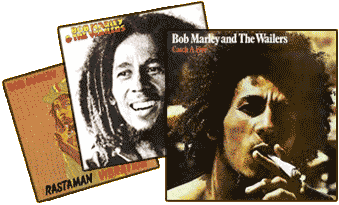 Before this proposal record labels thought that a reggae group only sold in singles or compilations with several bands. The Wailers' first album, "Catch A Fire" broke all the rules: it was beautifully packaged and heavily promoted. It was the beginning of a long road to fame and international recognition. Although "Catch A Fire" was not an instant hit, the album had a great impact on the media. Marley's striking rhythm, combined with his militant lyrics, came in total contrast to what was being done then. Furthermore, Island promoted a tour of the group in England and the United States, which was a complete novelty for a reggae band.
The Wailers arrived in London in April of 73, embarking on a series of performances that would show their quality as a live band. However, after three months, the group returned to Jamaica and Bunny, disenchanted with life on the road, refused to play on the American tour. In his place came Joe Higgs, the Wailers' old singing teacher. The American tour included, besides some clubs, participation in some shows by Bruce Springsteen and Sly & The Family Stone, the main black American music band of the moment. But after four shows it became clear that putting the Wailers opening shows could be bad for the main attractions. The band then went to San Francisco, where KSAN radio broadcast a live performance that was only published in 1991, when Island released the commemorative album "Talkin' Blues".
In 73, the group also released its second album on Island, "Burnin'", an LP that included new versions of some of their older songs, such as: "Duppy Conqueror", "Small Axe" and "Put It On", along with tracks such as "Get Up, Stand Up" and "I Shot The Sheriff" (which the following year would become a huge worldwide success in the voice of Eric Clapton, reaching first place on the list of best-selling singles in the United States).
In 74 Marley spent a large part of his time in the studio working on the sessions that resulted in "Natty Dread", an album that included songs such as "Talkin' Blues", "No Woman No Cry", "So Jah Seh", "Revolution", "Them Belly Full (But We Hungry)" and "Rebel Music (3 o'clock Roadblock)". At the beginning of the following year, however, Bunny and Peter would definitively leave the group to embark on solo careers while the band began to be known as Bob Marley & The Wailers.
Before this proposal record labels thought that a reggae group only sold in singles or compilations with several bands. The Wailers' first album, "Catch A Fire" broke all the rules: it was beautifully packaged and heavily promoted. It was the beginning of a long road to fame and international recognition. Although "Catch A Fire" was not an instant hit, the album had a great impact on the media. Marley's striking rhythm, combined with his militant lyrics, came in total contrast to what was being done then. Furthermore, Island promoted a tour of the group in England and the United States, which was a complete novelty for a reggae band.
The Wailers arrived in London in April of 73, embarking on a series of performances that would show their quality as a live band. However, after three months, the group returned to Jamaica and Bunny, disenchanted with life on the road, refused to play on the American tour. In his place came Joe Higgs, the Wailers' old singing teacher. The American tour included, besides some clubs, participation in some shows by Bruce Springsteen and Sly & The Family Stone, the main black American music band of the moment. But after four shows it became clear that putting the Wailers opening shows could be bad for the main attractions. The band then went to San Francisco, where KSAN radio broadcast a live performance that was only published in 1991, when Island released the commemorative album "Talkin' Blues".
In 73, the group also released its second album on Island, "Burnin'", an LP that included new versions of some of their older songs, such as: "Duppy Conqueror", "Small Axe" and "Put It On", along with tracks such as "Get Up, Stand Up" and "I Shot The Sheriff" (which the following year would become a huge worldwide success in the voice of Eric Clapton, reaching first place on the list of best-selling singles in the United States).
In 74 Marley spent a large part of his time in the studio working on the sessions that resulted in "Natty Dread", an album that included songs such as "Talkin' Blues", "No Woman No Cry", "So Jah Seh", "Revolution", "Them Belly Full (But We Hungry)" and "Rebel Music (3 o'clock Roadblock)". At the beginning of the following year, however, Bunny and Peter would definitively leave the group to embark on solo careers while the band began to be known as Bob Marley & The Wailers.
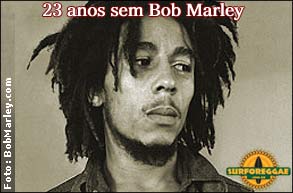 "Natty Dread" was released in February of 75 and soon the band was on the road again. The harmonic composition lost with the departure of Bunny and Peter had been replaced by the I-Threes, a female trio composed of Bob's wife, Rita, along with Marcia Griffiths and Judy Mowatt. Among the concerts, the most important were the two performances at the Lyceum Ballroom in London that to this day are remembered among the best of the decade. The shows were recorded and soon the album, along with the single "No Woman, No Cry", was on the charts. In November, when Marley returned to Jamaica to play at a benefit show with Stevie Wonder he was already obviously the island's greatest superstar.
"Rastaman Vibrations", the following album, released in 76, reached the top of the American charts and is considered by many the clearest exposition of Bob's music and beliefs. The LP included songs such as "Crazy Baldhead", "Johnny Was", "Who The Cap Fit" and, perhaps the most significant of all, "War", whose lyrics were taken from a speech by Emperor Hailè Selassiè at the United Nations.
With international success grew the political importance of Bob Marley in Jamaica, where the Rastafari faith expressed through his music achieved strong resonance among the youth of the ghettos. As a way of thanking the people of the island, Bob decided to give an open concert at the National Heroes Park in Kingston, on December 5, 1976. The idea was to emphasize the need for peace in the streets of the city, where gang fights were causing chaos and deaths. Soon after the announcement of the show, the government called elections for December 20. This gave new strength to the war in the ghetto and, on the afternoon of the concert gunmen invaded Bob's house and shot at him.
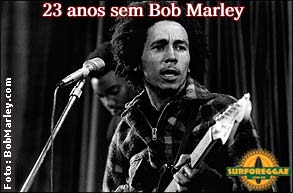
In the confusion the gunmen only wounded Marley, who was taken safely to the mountains on the outskirts of the city. However he decided to do the show anyway and took the stage for a brief performance in defiance of his attackers. It was Bob's last performance in Jamaica for eight months. Soon after the show he left the country to live in London, where he recorded his next album, "Exodus". Released in the summer of that year, "Exodus" consolidated the band's international status, staying on the English charts for 56 consecutive weeks and having its three singles - "Waiting In Vain", "Exodus" and "Jamming'" - with great sales.
In 78 the band capitalized on new success with "Kaya", which reached fourth place in England right in the week following its release. The album showed a new angle of Marley, with a collection of love songs and, of course, tributes to the power of "Ganja". From the album two singles were extracted: "Satisfy My Soul" and "Is This Love". Also in 78 three more events of extraordinary importance for Marley would take place. In April he returned to Jamaica for the "One Love Peace Concert", when he made Prime Minister Michael Manley and opposition leader Edward Seaga shake hands on stage. He was then invited to go to United Nations headquarters in New York to receive the Peace Medal. And, at the end of the year, Bob visited Africa for the first time, going initially to Kenya and then to Ethiopia, the spiritual home of Rastafari.
"Natty Dread" was released in February of 75 and soon the band was on the road again. The harmonic composition lost with the departure of Bunny and Peter had been replaced by the I-Threes, a female trio composed of Bob's wife, Rita, along with Marcia Griffiths and Judy Mowatt. Among the concerts, the most important were the two performances at the Lyceum Ballroom in London that to this day are remembered among the best of the decade. The shows were recorded and soon the album, along with the single "No Woman, No Cry", was on the charts. In November, when Marley returned to Jamaica to play at a benefit show with Stevie Wonder he was already obviously the island's greatest superstar.
"Rastaman Vibrations", the following album, released in 76, reached the top of the American charts and is considered by many the clearest exposition of Bob's music and beliefs. The LP included songs such as "Crazy Baldhead", "Johnny Was", "Who The Cap Fit" and, perhaps the most significant of all, "War", whose lyrics were taken from a speech by Emperor Hailè Selassiè at the United Nations.
With international success grew the political importance of Bob Marley in Jamaica, where the Rastafari faith expressed through his music achieved strong resonance among the youth of the ghettos. As a way of thanking the people of the island, Bob decided to give an open concert at the National Heroes Park in Kingston, on December 5, 1976. The idea was to emphasize the need for peace in the streets of the city, where gang fights were causing chaos and deaths. Soon after the announcement of the show, the government called elections for December 20. This gave new strength to the war in the ghetto and, on the afternoon of the concert gunmen invaded Bob's house and shot at him.
In the confusion the gunmen only wounded Marley, who was taken safely to the mountains on the outskirts of the city. However he decided to do the show anyway and took the stage for a brief performance in defiance of his attackers. It was Bob's last performance in Jamaica for eight months. Soon after the show he left the country to live in London, where he recorded his next album, "Exodus". Released in the summer of that year, "Exodus" consolidated the band's international status, staying on the English charts for 56 consecutive weeks and having its three singles - "Waiting In Vain", "Exodus" and "Jamming'" - with great sales.
In 78 the band capitalized on new success with "Kaya", which reached fourth place in England right in the week following its release. The album showed a new angle of Marley, with a collection of love songs and, of course, tributes to the power of "Ganja". From the album two singles were extracted: "Satisfy My Soul" and "Is This Love". Also in 78 three more events of extraordinary importance for Marley would take place. In April he returned to Jamaica for the "One Love Peace Concert", when he made Prime Minister Michael Manley and opposition leader Edward Seaga shake hands on stage. He was then invited to go to United Nations headquarters in New York to receive the Peace Medal. And, at the end of the year, Bob visited Africa for the first time, going initially to Kenya and then to Ethiopia, the spiritual home of Rastafari.
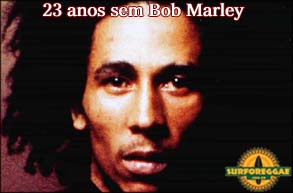 The band had just finished a tour through Europe and America that yielded the second live album: "Babylon By Bus". "Survival", Bob Marley's ninth album on Island was released in the summer of 1979. It included "Zimbabwe", an anthem for Rhodesia, which would soon be liberated, along with "So Much Trouble In The World", "Ambush In The Night" and "Africa Unite". As the cover indicates, which contains the flags of independent nations, "Survival" was an album in tribute to Pan-African solidarity. In April of 1980, the group was officially invited by the government of newly liberated Zimbabwe to play at the independence ceremony of the new nation. This was the greatest honor offered to the band and clearly demonstrated its importance in the Third World.
The band's next record, "Uprising", was released in May of 80 and had immediate success with "Could You Be Loved". The album also brought "Coming In From The Cold", "Work" and the extraordinary closing track, "Redemption Song". The Wailers then embarked on their largest European tour, breaking audience records across the continent. The schedule included a show for 100 thousand people in Milan, the largest in the band's history. Bob Marley & The Wailers were the biggest band on the road that year and "Uprising" was on all the European charts. It was a period of maximum optimism and plans were being made for a tour in America in company with Stevie Wonder at the end of the year.
At the end of the European tour Marley and the band went to the United States. Bob did two shows at Madison Square Garden, but soon afterward fell seriously ill. Three years earlier, in London, he had injured his toe playing soccer. The injury became cancerous and, despite having been treated in Miami, continued to progress. In 1980, the cancer, in its most virulent form, began to spread through Bob's body. He controlled the disease for eight months, receiving treatment at Dr. Joseph Issels' clinic in Bavaria. Issels' treatment was controversial for using only natural and non-toxic remedies and, for a time, seemed to stabilize Bob's condition. However, suddenly the fight began to get harder. At the beginning of May he left Germany to return to Jamaica, but did not complete the journey.
Bob Marley died in a Miami hospital on Monday, May 11, 1981. In the previous month, Marley had been honored with the Order of Merit of Jamaica, the nation's third highest honor, in recognition of his invaluable contribution to the country's culture. On Thursday, May 21, 1981, the Honorable Robert Nesta Marley O. M. received an official funeral from the people of Jamaica. After the funeral - attended by both the Prime Minister and the opposition leader - Marley's body was taken to his birthplace, Nine Mile, in the north of the island, where it now rests in a mausoleum. Bob Marley died at 36 years of age, but his legend remains alive to this day.
The band had just finished a tour through Europe and America that yielded the second live album: "Babylon By Bus". "Survival", Bob Marley's ninth album on Island was released in the summer of 1979. It included "Zimbabwe", an anthem for Rhodesia, which would soon be liberated, along with "So Much Trouble In The World", "Ambush In The Night" and "Africa Unite". As the cover indicates, which contains the flags of independent nations, "Survival" was an album in tribute to Pan-African solidarity. In April of 1980, the group was officially invited by the government of newly liberated Zimbabwe to play at the independence ceremony of the new nation. This was the greatest honor offered to the band and clearly demonstrated its importance in the Third World.
The band's next record, "Uprising", was released in May of 80 and had immediate success with "Could You Be Loved". The album also brought "Coming In From The Cold", "Work" and the extraordinary closing track, "Redemption Song". The Wailers then embarked on their largest European tour, breaking audience records across the continent. The schedule included a show for 100 thousand people in Milan, the largest in the band's history. Bob Marley & The Wailers were the biggest band on the road that year and "Uprising" was on all the European charts. It was a period of maximum optimism and plans were being made for a tour in America in company with Stevie Wonder at the end of the year.
At the end of the European tour Marley and the band went to the United States. Bob did two shows at Madison Square Garden, but soon afterward fell seriously ill. Three years earlier, in London, he had injured his toe playing soccer. The injury became cancerous and, despite having been treated in Miami, continued to progress. In 1980, the cancer, in its most virulent form, began to spread through Bob's body. He controlled the disease for eight months, receiving treatment at Dr. Joseph Issels' clinic in Bavaria. Issels' treatment was controversial for using only natural and non-toxic remedies and, for a time, seemed to stabilize Bob's condition. However, suddenly the fight began to get harder. At the beginning of May he left Germany to return to Jamaica, but did not complete the journey.
Bob Marley died in a Miami hospital on Monday, May 11, 1981. In the previous month, Marley had been honored with the Order of Merit of Jamaica, the nation's third highest honor, in recognition of his invaluable contribution to the country's culture. On Thursday, May 21, 1981, the Honorable Robert Nesta Marley O. M. received an official funeral from the people of Jamaica. After the funeral - attended by both the Prime Minister and the opposition leader - Marley's body was taken to his birthplace, Nine Mile, in the north of the island, where it now rests in a mausoleum. Bob Marley died at 36 years of age, but his legend remains alive to this day.
 Click here and learn more about Bob Marley.
Official Bob Marley Website.
Click here and learn more about Bob Marley.
Official Bob Marley Website.

 Click here and watch Bob Marley live with "Natural Mystic".
MORE INFORMATION
Click here and learn more about Bob Marley.
Official Bob Marley Website.
MULTIMEDIA
Click here and watch Bob Marley live with "Natural Mystic".Category
#Reggae