
Reggae · February 24, 2010
Reggae gains more fans in Belém! Check it out!
Those who love dancing to good reggae know there is no shortage of places for it here. Since the 1970s, the rhythm has spread from small Jam
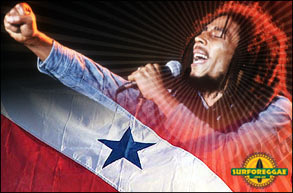
Those who love dancing to good reggae know there is no shortage of places for it here. Since the 1970s, the rhythm has spread from small Jamaica to explode across the world, and in Belém it could be no different: many devotees surrendered to the cadence of the Jamaican beat and embraced the peace-and-love philosophy.
From the 1990s through the early 2000s, several ideal spaces for dancing reggae emerged in the city: Mormaço, Solamar, Açaí Biruta, Rainha Bar, Urubu Black and, in Icoaraci, Coisa de Negro. It was also during this period that many genre lovers promptly formed bands.
Açy Aires, vocalist of Jaffa Reggae, says the city's reggae audience keeps growing. "The number of people who like reggae has increased a lot, mainly because many bands emerged here in Belém and, thanks to that, people got to know the rhythm better. That also favored the appearance of many venues betting on the style at exclusive reggae parties. Everyone knows there is an audience for it," the musician assesses.
He is right. There are also several bars that reserve a special day for reggae lovers: Sputinik on Mondays; Boteco da Tamandaré on Wednesdays; Botequim on Thursdays; and Casa Velha on Saturdays. On Tuesdays we take the chance to rest, don't we?
SUPPORT
Some bands have stood out remarkably on the local scene, such as Yemanjah Roots, Jaffa Reggae (which will release an original CD this year) and Reggae Town. Along with DJs Alex Roots, Porco Voador, Enilson Nonato (photo) and Victor Pedra, among many others. Things are so fruitful here that an entity was created to value reggae, the Associação dos Movimentos Reggae (AMOR), which since 1996 has highlighted the style not only as music but as a tool for social promotion. AMOR promotes talks on the relationship between reggae and fighting racial prejudice and social inequality, as well as a series of inclusion actions such as film screenings and events like 'Reggae é Cultura', every Saturday at Coisa de Negro. The proposal is to put into practice the philosophy pulsing in the lyrics. "We want to show that reggae is not just dancing but a culture. Through the rhythm and lyrics we can engage people, do social work to help others, because reggae preaches that," explains Enilson Nonato, AMOR coordinator.COME DANCE REGGAE
Multimedia student André Palmeira, 23, is so passionate about reggae that because of it he always starts his weekend early. "I start going out on Thursday, when I enjoy reggae at Botequim. On Friday I go to Rainha Bar, Saturday I'm at Urubu Black and Sunday at Solamar or Açaí Biruta," he says, laughing. Reggae entered André's life four years ago when friends invited him to enjoy a good time to the sound of Bob Marley and Peter Tosh. "I found the beat pleasant, so I started going whenever friends called me. I think the songs are great, they always convey a positive message," says the student. Systems analyst Ana Paula Santos, 27, has reggae in her heart. "Reggae is the rhythm I listen to most; I like not only dancing but also the lyrics, which preach love, faith and helping others. Every Friday and Sunday I'm sure to dance reggae," she says.WHERE IT ALL BEGAN
Back in the 1960s, the Jamaican people, without a voice over those who held political power, expressed their laments by singing about everything they suffered, such as poverty and racial discrimination. A long-haired young man who, as they say, had a somewhat hard-to-see face due to the smoke surrounding him, became the greatest icon of this musical genre, later known as reggae. His name, of course, was Bob Marley. The songs speak of social inequality, prejudice, hunger, as well as religious subjects, mainly exalting Jah. Reggae also upholds the idea that people should rise and overcome their social situation through political and spiritual engagement. The music also set fashion trends: many adopted the long Rastafarian hair or began wearing clothes and accessories in red, yellow and green.Category
#Reggae