
Reggae · November 28, 2013
Meet Moodies Records, a deeply traditional reggae store battling the digital music era!
The news that a New York record store considered one of the main sources of traditional reggae is moving to a smaller location has taken fan
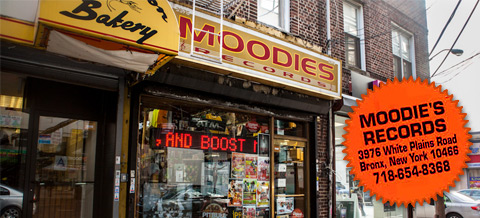
The news that a New York record store considered one of the main sources of traditional reggae is moving to a smaller location has taken fans of the genre by surprise. Moodie Records, the ultimate reference when it comes to "discos raros de reggae", is moving to a space - let's say - "mais acessível", in the Bronx, on the outskirts of New York.
Earl Moodie spoke about the latest developments at his 31-year-old establishment. According to Moodie, he is not too worried about the changes, and even says he is anxious:
 In life you can't worry about the future. I believe in destiny, what has to happen, happens. Whether good things or not. I'm looking forward to it.". - he said.
Moodie had his golden age in the 70s, and for a long time after that, but the world has changed and he is well aware that the market is drying up. Musicologist Michael Barnett blames technology for the decline of traditional record stores, and doubts whether they can survive in the digital age.
People burn CDs, download music to iPods, phones... they don't need to buy music anymore" - he said.
In life you can't worry about the future. I believe in destiny, what has to happen, happens. Whether good things or not. I'm looking forward to it.". - he said.
Moodie had his golden age in the 70s, and for a long time after that, but the world has changed and he is well aware that the market is drying up. Musicologist Michael Barnett blames technology for the decline of traditional record stores, and doubts whether they can survive in the digital age.
People burn CDs, download music to iPods, phones... they don't need to buy music anymore" - he said.
 (Aswad, recently re-released on vinyl)
Ironically, there has been renewed interest in reggae LPs in the last five years, particularly on the US West Coast, in Europe and in Japan, where the Sound Systems market is thriving.
Great mainstream European and American artists regularly release their albums on vinyl, and even in Brazil, Polysom - a traditional vinyl factory in Belford Roxo/RJ - came back strong precisely with a view to this growing market.
(Aswad, recently re-released on vinyl)
Ironically, there has been renewed interest in reggae LPs in the last five years, particularly on the US West Coast, in Europe and in Japan, where the Sound Systems market is thriving.
Great mainstream European and American artists regularly release their albums on vinyl, and even in Brazil, Polysom - a traditional vinyl factory in Belford Roxo/RJ - came back strong precisely with a view to this growing market.
In life you can't worry about the future. I believe in destiny, what has to happen, happens. Whether good things or not. I'm looking forward to it.". - he said.
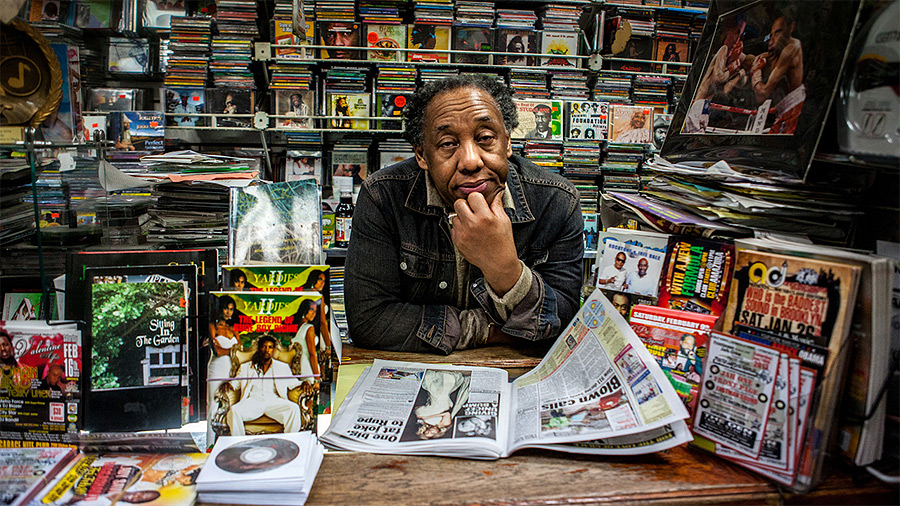 (Earl Moodie on Moodies Records)
People burn CDs, download music to iPods, phones... they don't need to buy music anymore" - he said.
BRAD’s & MOODIES RECORDS
Barnett and Moodie are longtime friends. They met during the 1970s when they were still teenagers in New York. According to Barnett, he introduced Moodie to the recording industry while working as a sales representative for BRAD's, one of the largest sources of Jamaican music in the United States. As Barnett himself says, it's a "Universidade de música Jamaicana em Nova York". At the time the demand was so great that people lined up and had to get a kind of password to buy the records. From 9:00 until 11:00 there was not a single vendor unoccupied. Moodies Records had a similar impact. Opened in 1982, it compiled a catalog of rare albums from the Caribbean island, and even offered vintage reggae posters and some flyers for similar parties in the neighborhood.IS THERE HOPE?
(Aswad, recently re-released on vinyl)
Category
#Reggae