
Reggae · July 31, 2017
Surforeggae interviews Edu Sattajah! Bassist represents Brazil alongside reggae legends!
We interviewed one of the most active and high-profile bassists on the national reggae scene, who is further raising his international profi

We interviewed one of the most active and high-profile bassists on the national reggae scene, who is further raising his international profile with projects he drives himself, appearances in various other productions and the well-known Leões de Israel, long regarded as the most competent backing band for international artists in Brazil.
Learn more about the projects, influences and what's going on in the life of this great Brazilian artist.
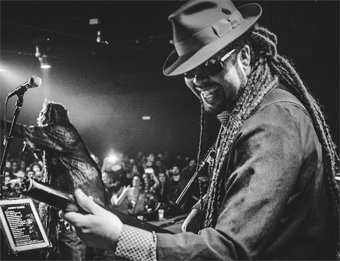 How did Leões de Israel form and at what point did you become in demand to back international artists?
Edu Sattajah: I met Solano Jacob at Kva when we used to attend the Sarau on Fridays and Sundays. Solano would always jump in and sing some Bob Marley songs. One day we talked and I told him I wanted to form a band; he liked the idea and we started the Leões de Israel project.
You have already played with great names such as Gregory Isaacs, Max Romeo, The Abyssinians, Marcia Griffiths, Eek-a-Mouse, Clinton Fearon and Johnny Clarke. Mention at least three moments you treasure alongside some of these legends.
Edu Sattajah: Gregory became our godfather. One moment I cherish was when we spent his birthday in São Luís—he was extremely happy—and when we met in Kingston at the Rebel Salute festival. With Abyssinians, because of Donald Manning's posture and youthfulness; despite being 78 he exudes great health and love for life. Marcia Griffiths also has the energy of a teenager. A true artist.
What has been the greatest glory of your career so far? Have you ever thought of giving up?
Edu Sattajah: Every time I thought about giving up, something good would happen to show I was on the right path. In fact I think the path is always filled with glories. I've achieved some, like playing in Jamaica and doing tours with several artists I grew up listening to. Today I speak directly with these and other international artists; I've earned their respect and money can't buy that.
How did Leões de Israel form and at what point did you become in demand to back international artists?
Edu Sattajah: I met Solano Jacob at Kva when we used to attend the Sarau on Fridays and Sundays. Solano would always jump in and sing some Bob Marley songs. One day we talked and I told him I wanted to form a band; he liked the idea and we started the Leões de Israel project.
You have already played with great names such as Gregory Isaacs, Max Romeo, The Abyssinians, Marcia Griffiths, Eek-a-Mouse, Clinton Fearon and Johnny Clarke. Mention at least three moments you treasure alongside some of these legends.
Edu Sattajah: Gregory became our godfather. One moment I cherish was when we spent his birthday in São Luís—he was extremely happy—and when we met in Kingston at the Rebel Salute festival. With Abyssinians, because of Donald Manning's posture and youthfulness; despite being 78 he exudes great health and love for life. Marcia Griffiths also has the energy of a teenager. A true artist.
What has been the greatest glory of your career so far? Have you ever thought of giving up?
Edu Sattajah: Every time I thought about giving up, something good would happen to show I was on the right path. In fact I think the path is always filled with glories. I've achieved some, like playing in Jamaica and doing tours with several artists I grew up listening to. Today I speak directly with these and other international artists; I've earned their respect and money can't buy that.
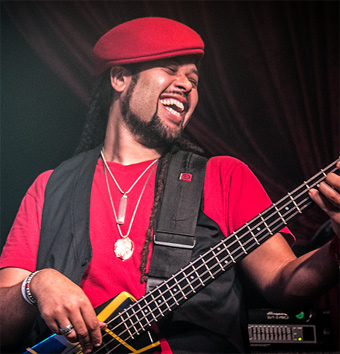 You have always shown interest in DUB and produced some solo albums, including a record with Style Scott, one of reggae's greatest drummers. Do you think the Brazilian public is ready to consume more of this style?
Edu Sattajah: I have always been interested in instrumental music and Dub. Dub is growing a lot in São Paulo along with the sound systems, and the consumption of records of the genre has grown along with it. It's a market on the rise.
If you could choose three artists you haven't backed yet, who would they be and why?
Edu Sattajah: Burning Spear, Toots and Mighty Diamonds. Simply because I'm a big fan of their work. Difficult, but nothing is impossible.
Recently you were invited to play alongside legends such as Brinsley Forde (Aswad), Denis Bovell (Matumbi and LKJ) and Matic Horns. How did the invitation arise?
Edu Sattajah: I received an email in November 2016 asking if I was available for a tour in January in South America with these artists. We did those shows and from them came the invitation to come to London.
You are setting up a studio in London. Tell us a bit about the project and about the differences between the reggae movement in England and in Brazil.
Edu Sattajah: I set up a studio with Johan Perez called Dub Natty. We've already started producing. I mixed here the next Leões de Israel album and produced dub versions for the band Madda Kalli from Argentina, the band Veja Luz from SP and some bands from Europe.
As a more experienced musician, could you give some advice to those who intend to pursue a career and play reggae?
Edu Sattajah: The advice I give is to study, study and study. Want to sing? Study singing. Want to play keyboard? Study piano. If you already have a talent, find out how to use that talent in the best way to improve every day.
You have always shown interest in DUB and produced some solo albums, including a record with Style Scott, one of reggae's greatest drummers. Do you think the Brazilian public is ready to consume more of this style?
Edu Sattajah: I have always been interested in instrumental music and Dub. Dub is growing a lot in São Paulo along with the sound systems, and the consumption of records of the genre has grown along with it. It's a market on the rise.
If you could choose three artists you haven't backed yet, who would they be and why?
Edu Sattajah: Burning Spear, Toots and Mighty Diamonds. Simply because I'm a big fan of their work. Difficult, but nothing is impossible.
Recently you were invited to play alongside legends such as Brinsley Forde (Aswad), Denis Bovell (Matumbi and LKJ) and Matic Horns. How did the invitation arise?
Edu Sattajah: I received an email in November 2016 asking if I was available for a tour in January in South America with these artists. We did those shows and from them came the invitation to come to London.
You are setting up a studio in London. Tell us a bit about the project and about the differences between the reggae movement in England and in Brazil.
Edu Sattajah: I set up a studio with Johan Perez called Dub Natty. We've already started producing. I mixed here the next Leões de Israel album and produced dub versions for the band Madda Kalli from Argentina, the band Veja Luz from SP and some bands from Europe.
As a more experienced musician, could you give some advice to those who intend to pursue a career and play reggae?
Edu Sattajah: The advice I give is to study, study and study. Want to sing? Study singing. Want to play keyboard? Study piano. If you already have a talent, find out how to use that talent in the best way to improve every day.
 Sharpen your ears, seek the quality of your sound, learn about the equipment, get to know the musicians, know the language of the sound you want to play, sharpen your sensitivity and never put the human side and love for what you do in second place. Stay focused and follow your intuition.
What are your short and medium-term plans as a musician?
Edu Sattajah: In the short term I want to keep my studio work and shows going. In the medium term I want to reach the quality I aim for in my work and thus produce new artists and instrumentalists around the world.
Is there anything new planned to be released by Leões de Israel?
Edu Sattajah: We are finishing the Leões de reggae for children project, Reggae Little Lions. I mixed and mastered it here in London and I believe by October it will already be showing up out there. Next year we already have an idea for the next authorial album.
What do you think Brazilian bands lack to break more into the international market?
Edu Sattajah: From what I noticed here in England, the language barrier gets in the way a bit. Here they barely know any bands from Brazil. It would be easier if the bands knew more about the market abroad in case they want to venture to other countries.
Who is your favorite bassist in reggae?
Edu Sattajah: Without a doubt Robbie Shakespeare. But I must mention other influences like Family Man, Dennis Bovell, Flabba Holt, Jackie Jackson, Boris Gardiner, Tony Gad, Chris Meredith, Keith Francis, Lloyd Parks, Lloyd Brevett, Devon Bradshaw, Leroy Sibbles, Richard Daley, Tony Lewis, Ian Lewis.
Thank you for the interview. We wish you success and a long life. The space is yours to leave a message for the public.
Edu Sattajah: Thank you to the friends at Surforeggae for the opportunity and I'd like to thank the people who have always given me support and affection over these years. Always forward! Blessings!
Photos: Duda Morais
Sharpen your ears, seek the quality of your sound, learn about the equipment, get to know the musicians, know the language of the sound you want to play, sharpen your sensitivity and never put the human side and love for what you do in second place. Stay focused and follow your intuition.
What are your short and medium-term plans as a musician?
Edu Sattajah: In the short term I want to keep my studio work and shows going. In the medium term I want to reach the quality I aim for in my work and thus produce new artists and instrumentalists around the world.
Is there anything new planned to be released by Leões de Israel?
Edu Sattajah: We are finishing the Leões de reggae for children project, Reggae Little Lions. I mixed and mastered it here in London and I believe by October it will already be showing up out there. Next year we already have an idea for the next authorial album.
What do you think Brazilian bands lack to break more into the international market?
Edu Sattajah: From what I noticed here in England, the language barrier gets in the way a bit. Here they barely know any bands from Brazil. It would be easier if the bands knew more about the market abroad in case they want to venture to other countries.
Who is your favorite bassist in reggae?
Edu Sattajah: Without a doubt Robbie Shakespeare. But I must mention other influences like Family Man, Dennis Bovell, Flabba Holt, Jackie Jackson, Boris Gardiner, Tony Gad, Chris Meredith, Keith Francis, Lloyd Parks, Lloyd Brevett, Devon Bradshaw, Leroy Sibbles, Richard Daley, Tony Lewis, Ian Lewis.
Thank you for the interview. We wish you success and a long life. The space is yours to leave a message for the public.
Edu Sattajah: Thank you to the friends at Surforeggae for the opportunity and I'd like to thank the people who have always given me support and affection over these years. Always forward! Blessings!
Photos: Duda Morais
THE INTERVIEW
When was your first contact with reggae and, as a musician, which styles attract you most besides the Jamaican rhythm? Edu Sattajah: My first contact with reggae was around 1991 when I listened to the albums Brutal by Black Uhuru and Paint it Red by Mighty Diamonds all at once. Brutal left me totally surprised and I asked myself “Wow, what is this, what sound is this?” My musical training started early. My mother is a singer; my sisters and my father are pianists. I began studying at 4 years old at the Zimbo Trio school. At home we always listened to a lot of MPB, jazz and instrumental music. I would go with my mother to the bars when she sang, and on weekends there was always music at friends' houses.
Category
#Reggae