
What Reggae was!
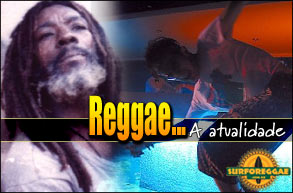
It is summer — time for sun, beach, sea and dancing — and put that way, a Caribbean rhythm immediately comes to mind that evokes all of this: reggae. And here in Brazil that is exactly how it is presented, with lyrics about summer that nearly rival funk in terms of alienation and banalization.
We will not talk about what reggae has become, especially here in Rio Grande do Sul, in Brazil, and even in Jamaica itself. We will talk about what reggae was, and should have continued to be, but which, due to the seductive power of Babylon (read: 'money'), was transformed into yet another means of spreading the cultural banalization of Brazil.
With the cultural manipulation of the media, which sells everything to a people that accepts anything, the 'old-new' summer fads continue to multiply, year after year. The reggae spread by radio and TV networks, with beach, sun, summer and partying as its key focus, bears no resemblance to the revolutionary reggae that conquered the world through the voice of Bob Marley.
Reggae has become synonymous with the tanned surfboy, with hair bleached by paraffin wax, riding the summer wave. They are banal lyrics that bring nothing new to the already exhausted world of meaningless music. Given that reggae emerged as a socio-political and religious movement, it is astonishing that this new movement classifies as 'reggae' bands that sing about the sun, the sea, surf or skateboarding, and add nothing to the movement of true reggae, Rastafari reggae, which conveys through its music the struggle against the dominance of material greed versus spiritual growth.
Reggae was born amid Jamaican chaos and was (and still is) an act of rebellion and confrontation with society and the system (Babylon), and above all it is an act of faith, as its roots intertwine with religion. Music from the ghetto, sung by descendants of Black people torn from their homeland to become slaves on Jamaica's colonial plantations. And as Bob Marley sang in his roots reggae: "get up, stand up for your rights", and that is what true reggae means — music of social consciousness, protest and soul redemption.
The so-called roots reggae has no root other than in the green leaves of money, and is controlled by an industry with the power to control and manipulate the masses. The true meaning of the term roots reggae was banalized for the sake of profit and alienation. And the problem is not a lack of conscious bands presenting solid work, for there are many independent and unknown bands that, due to lack of promotion, remain in the dark and inaccessible to the public. And there are those who do not even know that real reggae bands exist, spread across Brazil. Bands that seek not only music for music's sake, but the full social, spiritual and intellectual involvement that drives Rasta resistance against Babylon.
Great names such as Misty in Roots, Twinkle Brothers, Cimarons, Midnite and Groundation — the last two being revelations on the world reggae scene — or Ponto de Equilíbrio and Leões de Israel representing Brazil, are scarcely mentioned by commercial radio, thus depriving the wider public of the message that true reggae conveys: resistance, hope, revolt and, why not, indignation against the exploitation of man by man and against the rape of Mother Earth. Perhaps even out of a certain interest in keeping the masses 'asleep', to prevent people from beginning to discover their history, understand the causes of current problems, and realize their incredible power to change through the expression of their indignation, for a people that thinks is a people that fights for its rights.
Category
#Reggae